English Sundew: The Tiny Carnivorous Plant That’s Surprisingly Easy to Love
Meet one of nature’s most fascinating little predators: the English sundew (Drosera anglica). Don’t let the delicate name fool you—this diminutive beauty is actually a carnivorous plant that catches and digests insects for lunch! If you’re looking to add something truly unique to your garden, this native gem might just be the conversation starter you’ve been searching for.
What Makes English Sundew Special?
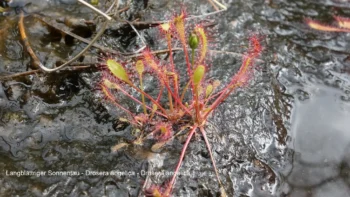
English sundew is a perennial forb that forms small rosettes of leaves covered in tiny, glistening droplets. These aren’t water drops—they’re sticky traps that snare unsuspecting insects. The leaves often have a reddish tinge that becomes more pronounced in bright sunlight, creating a jewel-like appearance that’s both beautiful and slightly sinister.
During summer, tall flower stalks emerge from the center of the rosette, topped with small white flowers that attract pollinators like flies and other tiny insects. It’s ironic that a plant-eating plant produces flowers to attract the very creatures it preys upon!
Where English Sundew Calls Home
This remarkable plant is native throughout much of northern North America, including Alaska, Canada, and many northern states in the lower 48. You’ll find it naturally occurring from Alberta and British Columbia in the west, through the Great Lakes region, and extending to Maine and other northeastern states. It even has populations in some unexpected places like California, Colorado, and Hawaii.
- Species observed
- No observations
The Wetland Connection
English sundew is what botanists call an obligate wetland plant, meaning it almost always grows in wet conditions. In the wild, you’ll find it in bogs, fens, and other acidic wetlands where the soil is constantly saturated and low in nutrients. This harsh environment is exactly why it evolved to become carnivorous—catching insects provides the nitrogen and other nutrients that the poor soil can’t supply.
Should You Grow English Sundew?
Here’s the honest truth: English sundew isn’t for everyone, but it’s perfect for the right gardener. Consider growing it if you:
- Love unusual, conversation-starting plants
- Have or want to create a bog garden or water feature
- Enjoy watching nature’s intricate processes up close
- Want to teach kids about plant adaptations and ecology
- Live in USDA hardiness zones 2-7 where it thrives
However, you might want to skip this plant if you’re looking for low-maintenance options or don’t have the right growing conditions. English sundew has very specific needs that can’t be compromised.
Creating the Perfect Home for Your Sundew
Growing English sundew successfully is all about mimicking its natural bog habitat:
Soil Requirements: Forget regular potting soil! This plant needs an acidic, nutrient-poor mix. Use a combination of sphagnum peat moss and perlite, or pure live sphagnum moss if you can find it. The pH should be between 4.0 and 5.5.
Water Needs: Keep the soil constantly saturated—not just moist, but actually soggy. Use only distilled water, rainwater, or reverse osmosis water, as tap water contains minerals that can harm the plant. Many growers use the tray method, keeping the pot sitting in a shallow dish of water.
Light Conditions: Provide full sun to partial shade. In very hot climates, some afternoon shade can prevent stress, but the plant needs plenty of bright light to maintain its carnivorous abilities and attractive coloration.
Temperature: English sundew prefers cool conditions and can handle freezing temperatures. Hot, humid summers can be challenging, so consider growing it in a location with good air circulation.
Planting and Care Tips
Start with healthy plants from specialty nurseries rather than trying to collect from the wild (which is often illegal and harmful to wild populations). Plant in spring after the last frost, though container-grown plants can be established throughout the growing season.
The golden rule of sundew care: never fertilize! These plants are adapted to nutrient-poor conditions, and fertilizer can actually kill them. They’ll catch all the nutrients they need from insects.
During winter, the plant may go dormant and appear to die back. Don’t panic—this is normal. Keep the soil moist but not waterlogged during dormancy, and new growth will emerge in spring.
Benefits Beyond Beauty
While English sundew won’t attract butterflies or hummingbirds like traditional garden plants, it does provide some unique benefits. The small white flowers attract tiny pollinators, and the plant itself helps control small flying insects around water features. It’s also an excellent educational tool for teaching about plant adaptations and wetland ecosystems.
The Bottom Line
English sundew isn’t your typical garden plant, but that’s exactly what makes it special. If you have the right conditions or are willing to create them, this native carnivorous plant can add a touch of botanical wonder to your landscape. Just remember: success with English sundew is all about respecting its unique needs and letting it be the fascinating wetland specialist it evolved to be.
Ready to invite a tiny predator into your garden? Your local insects might not thank you, but your curiosity certainly will!