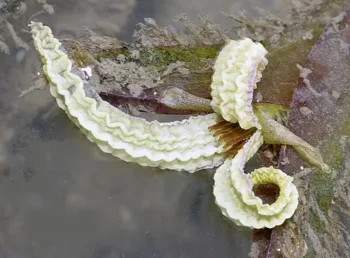
Enhalus acoroides: The Tape Seagrass That’s Not for Your Garden
If you’ve stumbled across the name Enhalus acoroides while researching native plants, you might be wondering if this species could work in your garden. Well, here’s the thing – unless your garden happens to be a shallow tropical ocean, this fascinating plant isn’t going to work out for you!
What Exactly Is Enhalus acoroides?
Enhalus acoroides, commonly known as tape seagrass or ribbon seagrass, is a marine flowering plant that lives entirely underwater. Despite its name suggesting it’s a type of grass, it’s actually more closely related to lilies than to the grass in your lawn. This remarkable plant creates underwater meadows in shallow coastal waters, with long, ribbon-like leaves that can grow several feet in length and dance gracefully with ocean currents.
Where Does It Grow?
This seagrass is native to the Pacific Basin, excluding Hawaii, and you’ll find it naturally growing in the warm waters around Guam and Palau. Its range actually extends throughout much of the Indo-Pacific region, from the Red Sea all the way to Australia and various Pacific islands.
- Species observed
- No observations
Why You Can’t Grow It in Your Garden
Here’s where we need to manage expectations: Enhalus acoroides is exclusively a marine plant. It requires:
- Saltwater environment with specific salinity levels
- Sandy or muddy ocean floor substrates
- Warm tropical water temperatures
- Shallow depths where sunlight can penetrate for photosynthesis
- Tidal movements and ocean currents
No amount of wishful thinking or creative gardening can replicate these conditions in a terrestrial garden setting!
Its Ecological Superpowers
While you can’t plant it in your backyard, Enhalus acoroides plays a crucial role in marine ecosystems. These underwater meadows provide:
- Nursery habitat for young fish and marine animals
- Food for sea turtles, dugongs, and other herbivorous marine life
- Coastal protection by reducing wave energy and preventing erosion
- Carbon sequestration, helping combat climate change
- Water filtration, improving ocean water quality
The Only Growing Option: Marine Aquariums
If you’re absolutely fascinated by seagrasses and have extensive experience with marine aquarium systems, some advanced aquarists do attempt to grow seagrasses in large, specialized saltwater setups. However, this requires:
- Large tank capacity (hundreds of gallons)
- Precise water chemistry management
- Specialized substrate and lighting
- Significant expertise in marine aquarium keeping
Even then, success is challenging and not recommended for beginners.
Native Alternatives for Your Actual Garden
If you’re interested in supporting native ecosystems in Guam or Palau through your landscaping choices, consider focusing on terrestrial native plants that actually can thrive in garden settings. Research local native plant societies or extension services in these regions for appropriate alternatives that will support local wildlife and require less water and maintenance.
Conservation Matters
While you can’t grow Enhalus acoroides in your garden, you can still support its conservation. Seagrass meadows worldwide face threats from coastal development, pollution, and climate change. Supporting marine conservation organizations and making environmentally conscious choices helps protect these vital underwater ecosystems.
So while Enhalus acoroides won’t be gracing your garden beds anytime soon, it’s fascinating to learn about the incredible diversity of plant life that exists beyond our terrestrial gardening world. Sometimes the most interesting plants are the ones we can only admire from afar!