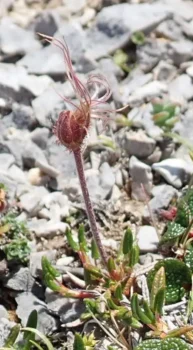
Entireleaf Mountain-Avens: A Hardy Arctic Beauty for Cold Climate Gardens
If you’re looking for a tough, beautiful ground cover that can handle the harshest winters Mother Nature can throw at it, let me introduce you to entireleaf mountain-avens (Dryas integrifolia integrifolia). This remarkable little perennial might just be the perfect addition to your cold climate garden – if you can provide what it needs to thrive.
What Makes Entireleaf Mountain-Avens Special?
Entireleaf mountain-avens is a true native treasure, naturally occurring across Alaska, Canada, Greenland, and parts of the northern United States. You’ll find this hardy perennial growing wild in places like Alberta, British Columbia, Manitoba, Ontario, Quebec, Montana, New Hampshire, and even up into the Northwest Territories and Nunavut. Talk about cold hardy!
- Species observed
- No observations
This charming plant belongs to the rose family and grows as what botanists call a forb herb – essentially a non-woody perennial that stays close to the ground. Don’t let the technical terms fool you though; this is simply a low-growing, mat-forming plant that produces lovely white flowers.
Why You Might Want to Grow It
Entireleaf mountain-avens offers several compelling reasons to earn a spot in your garden:
- Extreme cold tolerance: Hardy in USDA zones 1-6, this plant laughs at temperatures that would kill most other perennials
- Low maintenance: Once established, it requires minimal care and can handle drought conditions
- Pollinator friendly: The white flowers with bright yellow centers attract bees, flies, and other beneficial insects
- Native plant benefits: Supporting local ecosystems while reducing maintenance needs
- Unique aesthetic: Evergreen foliage provides year-round interest, while summer flowers add seasonal beauty
Perfect Garden Settings
This Arctic native isn’t suited for just any garden. Entireleaf mountain-avens truly shines in:
- Rock gardens and alpine plantings
- Cold climate native plant gardens
- Xeriscaping and low-water landscapes
- Ground cover applications in challenging, exposed sites
- Northern gardens where few other plants will survive
Growing Conditions and Care
Here’s where entireleaf mountain-avens can be a bit particular. This plant has evolved in harsh Arctic conditions, so it needs:
- Full sun: At least 6-8 hours of direct sunlight daily
- Excellent drainage: Soggy soil is a death sentence for this plant
- Cool temperatures: Struggles in hot, humid climates
- Lean soil: Rich, fertile soil can actually harm this tough little plant
Planting and Care Tips
Successfully growing entireleaf mountain-avens requires understanding its Arctic origins:
- Soil preparation: Ensure excellent drainage by amending heavy soils with coarse sand or gravel
- Planting time: Spring planting works best in most areas
- Watering: Water sparingly once established; this plant prefers to be on the dry side
- Fertilizing: Skip the fertilizer – this plant prefers poor soils
- Winter care: No winter protection needed; this plant is built for brutal cold
Is This Plant Right for Your Garden?
Entireleaf mountain-avens is definitely not a plant for everyone. If you garden in warm climates (zone 7 and above), have heavy clay soil with poor drainage, or prefer lush, tropical-looking plants, this probably isn’t your best choice.
However, if you’re gardening in a cold climate, dealing with challenging growing conditions, or passionate about native plants, entireleaf mountain-avens could be exactly what you’re looking for. Its combination of extreme hardiness, low maintenance requirements, and unique beauty make it a standout choice for the right garden situation.
Just remember: this is a plant that thrives on neglect and harsh conditions. Sometimes the best care you can give it is simply leaving it alone to do what it does best – survive and slowly spread into a beautiful, flowering carpet that can handle whatever winter throws its way.