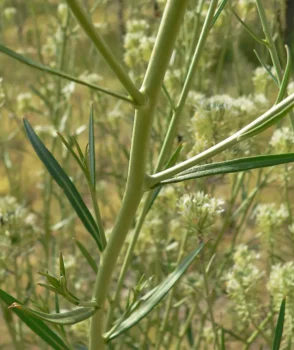
Entireleaved Thelypody: A Humble Native Wildflower for Specialized Gardens
If you’re looking for a showstopping garden centerpiece, entireleaved thelypody (Thelypodium integrifolium) probably isn’t your plant. But if you’re passionate about native species, restoration gardening, or creating habitat for small pollinators, this unassuming member of the mustard family might just earn a spot in your heart—and your garden.
What Is Entireleaved Thelypody?
Entireleaved thelypody is a native biennial forb that calls much of the western and central United States home. As a biennial, it follows a two-year life cycle: spending its first year developing roots and foliage, then flowering, setting seed, and completing its lifecycle in the second year. Like other forbs, it’s an herbaceous plant without woody stems, making it quite different from shrubs or trees.
Where Does It Grow Naturally?
This hardy native has quite an impressive range across the American West and Great Plains. You’ll find entireleaved thelypody growing naturally in Arizona, California, Colorado, Idaho, Montana, Nebraska, Nevada, New Mexico, North Dakota, Oregon, South Dakota, Utah, Washington, and Wyoming. That’s a lot of territory for one little plant!
- Species observed
- No observations
Should You Plant Entireleaved Thelypody?
Here’s where we get honest: entireleaved thelypody isn’t going to win any beauty contests. Its small white to pale purple flowers, while charming in their own right, won’t create the dramatic impact of a showy perennial border. However, there are some compelling reasons why you might want to consider it:
- It’s a true native that supports local ecosystems
- Small pollinators like native bees and beneficial flies appreciate its modest blooms
- It’s perfect for naturalistic gardens and restoration projects
- It thrives in moist conditions where other plants might struggle
On the flip side, if you’re looking for bold color, long-lasting blooms, or a plant that’ll impress the neighbors, you might want to look elsewhere—or pair it with more showy native companions.
Growing Conditions and Care
Entireleaved thelypody has some specific preferences that are worth understanding before you commit to growing it. This plant is classified as facultative wetland across its range, meaning it usually prefers moist to wet conditions but can tolerate drier spots occasionally.
Here’s what it needs to thrive:
- Soil: Moist to wet soils; tolerates alkaline conditions well
- Light: Full sun to partial shade
- Hardiness: Suitable for USDA zones 3-8
- Water: Consistent moisture, especially during establishment
Planting and Maintenance Tips
Since entireleaved thelypody is a biennial, the easiest way to establish it is through direct seeding in fall. This allows the seeds to experience the cold stratification they need over winter, leading to better germination in spring.
Once established, this is refreshingly low-maintenance plant. Keep the soil consistently moist, especially during the first year when it’s building its root system. In the second year, you’ll be rewarded with flowers and seeds—which means new plants for the following year if conditions are right.
The Verdict
Entireleaved thelypody isn’t for every garden or every gardener. It’s a plant for the native plant enthusiast, the restoration gardener, or someone creating specialized habitat. While it may not provide dramatic visual impact, it offers something perhaps more valuable: a authentic piece of American botanical heritage that supports the small creatures often overlooked in our gardens.
If you’re drawn to the idea of growing something truly native and ecologically meaningful—even if it’s not going to stop traffic—entireleaved thelypody might be exactly what your naturalistic garden needs.