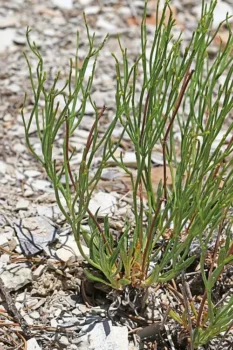
Ephedra Buckwheat: A Hidden Gem for the Xeriscape Garden
Meet the ephedra buckwheat (Eriogonum ephedroides), a charming little native that’s flying under the radar in most gardening circles. This unassuming perennial might not win any flashy flower contests, but it’s got character in spades and brings serious drought-busting credentials to your landscape.
What Makes Ephedra Buckwheat Special
Don’t let the name fool you – this isn’t actually related to either ephedra or buckwheat! This native forb gets its common name from its needle-like leaves that give it an ephedra-like appearance. It’s a true native of the American West, calling Colorado and Utah home in some pretty harsh desert and semi-desert environments.
As a perennial forb, ephedra buckwheat forms low, mat-like colonies that hug the ground. During summer, it produces clusters of small white to pink flowers that may seem modest but are absolute magnets for native pollinators like small bees and butterflies.
- Species observed
- No observations
A Plant That Needs Our Help
Here’s where things get serious: ephedra buckwheat has a Global Conservation Status of S3, meaning it’s considered vulnerable. With typically only 21 to 100 occurrences and between 3,000 to 10,000 individuals in the wild, this plant is rare and needs our protection.
If you’re interested in growing this species, please only source plants or seeds from reputable native plant nurseries that propagate their own stock. Never collect from wild populations – every plant counts when numbers are this low.
Where Ephedra Buckwheat Shines in Your Garden
This tough little native is perfect for:
- Rock gardens where it can nestle between stones
- Xeriscape designs that celebrate water-wise gardening
- Native plant collections focused on regional flora
- Desert-themed landscapes that need authentic local character
- Ground cover in challenging, dry spots where other plants struggle
Growing Conditions That Make It Happy
Ephedra buckwheat is wonderfully low-maintenance once you understand its needs:
- Sunlight: Full sun is essential – this plant has evolved in wide-open spaces
- Soil: Well-draining sandy or gravelly soils work best; it actually prefers alkaline conditions
- Water: Drought tolerant once established, but avoid overwatering at all costs
- Climate: Hardy in USDA zones 4-8, handling both cold winters and hot, dry summers
Planting and Care Made Simple
The secret to success with ephedra buckwheat is thinking like a desert plant:
- Plant in spring when soil temperatures warm up
- Ensure excellent drainage – if water pools around the roots, you’ll lose the plant
- Water occasionally during the first growing season to help establishment
- Once established, step back and let nature take over
- Resist the urge to fertilize or pamper – this plant thrives on neglect
Wildlife and Pollinator Benefits
While ephedra buckwheat might look unassuming, it’s a valuable resource for native wildlife. The summer flowers provide nectar for small native bees, butterflies, and other pollinators that have co-evolved with Western native plants. By growing this species, you’re supporting the intricate web of native biodiversity.
Should You Grow Ephedra Buckwheat?
If you’re passionate about native plants, live in Colorado or Utah (or have similar growing conditions), and want to support conservation efforts, this could be a wonderful addition to your garden. Just remember – with great native plants comes great responsibility. Only source from ethical suppliers, and consider your ephedra buckwheat plants as ambassadors for their wild cousins.
This isn’t a plant for instant gratification gardeners or those looking for bold, showy displays. But if you appreciate subtle beauty, ecological value, and the satisfaction of growing something truly special and rare, ephedra buckwheat might just become one of your favorite garden residents.