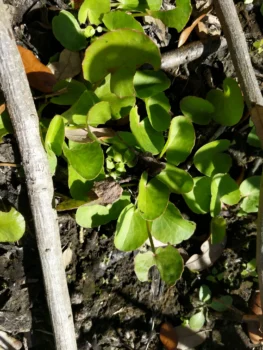
Erect Centella: A Humble Native with Wetland Appeal
Meet erect centella (Centella erecta), a modest little native that might not win any beauty contests but certainly deserves a spot in the conversation about wetland-loving plants. This unassuming perennial forb has been quietly doing its thing across much of the eastern and southeastern United States, and it’s time we gave it some recognition.
What Is Erect Centella?
Erect centella is a native perennial herb that belongs to the carrot family. Don’t let the erect in its name fool you – this is still a low-growing ground-hugger that rarely makes a dramatic statement. As a forb, it’s an herbaceous plant without woody stems, meaning it dies back to the ground each winter and returns fresh each spring.
You might occasionally see this plant listed under its synonyms Centella asiatica or Centella repanda in older references, but Centella erecta is the accepted name for our native species.
Where Does Erect Centella Call Home?
This adaptable native has quite an impressive range for such a humble plant. You’ll find erect centella growing naturally across the Southeast and extending into parts of the Mid-Atlantic and even scattered locations as far north as New Jersey and as far west as Texas and Oregon. Its native range includes Alabama, Arkansas, Delaware, Florida, Georgia, Louisiana, Maryland, Mississippi, New Jersey, North Carolina, Ohio, Oregon, South Carolina, Texas, Virginia, and Puerto Rico.
- Species observed
- No observations
A Word About Rarity
Important note for New Jersey gardeners: Erect centella is listed as rare in New Jersey with a status of SX.1 – Highlands Listed. If you’re gardening in the Garden State and want to include this species, please make sure you source your plants responsibly from reputable native plant nurseries rather than collecting from wild populations.
Why Consider Erect Centella for Your Garden?
While erect centella won’t be the showstopper of your garden, it has several qualities that make it valuable for certain situations:
- Wetland specialist: Classified as facultative wetland across its range, making it perfect for rain gardens and naturally moist areas
- Low maintenance: Once established, this perennial requires minimal care
- Native credentials: Supports local ecosystems and provides authentic regional character
- Adaptable: Grows in various soil types as long as moisture needs are met
Growing Conditions and Care
Erect centella is refreshingly straightforward to grow if you can meet its basic needs:
- Moisture: Prefers consistently moist to wet soils – this is non-negotiable
- Light: Tolerates partial shade to full sun
- Soil: Adaptable to various soil types but thrives in organic, moisture-retentive soils
- Hardiness: Suitable for USDA zones 6-10 based on its natural distribution
Best Uses in the Landscape
Erect centella isn’t destined for formal flower borders, but it shines in these applications:
- Rain gardens: Excellent choice for areas that collect runoff
- Wetland restoration: Valuable component of native wetland plantings
- Naturalized areas: Perfect for wild or semi-wild garden sections
- Native plant collections: Adds authenticity to regional native displays
Planting and Care Tips
Getting erect centella established is relatively simple:
- Plant in spring after the last frost
- Ensure consistent moisture, especially during the first growing season
- Mulch around plants to retain soil moisture
- Allow natural spreading in appropriate settings
- Minimal fertilization needed – native soils are typically sufficient
The Bottom Line
Erect centella may not be the most glamorous native plant you can grow, but for gardeners looking to create authentic wetland habitats or support regional biodiversity, it’s a worthy addition. Its greatest strength lies in its ability to thrive in consistently moist conditions where other plants might struggle.
If you’re drawn to the idea of growing truly local natives and have a spot that stays reliably moist, erect centella could be just the humble groundcover you didn’t know you needed. Just remember – if you’re in New Jersey, source responsibly to protect wild populations of this rare regional treasure.