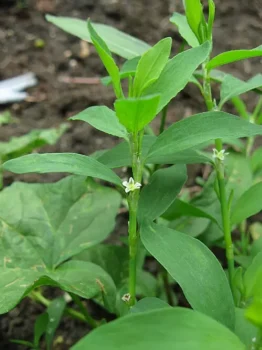
Erect Knotweed: A Humble Native with Surprising Garden Potential
Meet erect knotweed (Polygonum erectum), one of North America’s most unassuming native plants. While it might not win any beauty contests, this little annual forb has some serious staying power and a few tricks up its sleeve that might just make it the perfect addition to your low-maintenance garden.
What Exactly Is Erect Knotweed?
Erect knotweed is a native annual forb – that’s garden-speak for a non-woody plant that completes its life cycle in one year. True to its name, this plant grows in an upright, erect manner, distinguishing it from its sprawling relatives. You might also see it listed under its botanical synonym Polygonum aviculare var. erectum in older plant references.
As a forb, erect knotweed lacks significant woody tissue and produces new growth from buds at or below ground level each year. It’s the kind of plant that quietly goes about its business without demanding much attention – which can be either a blessing or a mild frustration, depending on your gardening goals.
Where Does Erect Knotweed Call Home?
This adaptable native has claimed territory across an impressive range of North America. You’ll find erect knotweed growing naturally from Canada (Alberta, Manitoba, Ontario, Quebec, and Saskatchewan) down through virtually the entire United States, including Alaska. From the Atlantic coast to the Pacific, and from the northern border to the Gulf of Mexico, this plant has made itself at home in an remarkable variety of climates and conditions.
- Species observed
- No observations
However, there’s one important note for New Jersey gardeners: erect knotweed has a rarity status of Highlands Listed, S3 in the state, meaning it’s considered uncommon to rare. If you’re in New Jersey and want to grow this plant, make sure to source it responsibly from reputable native plant nurseries.
The Good, The Bad, and The Practical
Let’s be honest – erect knotweed isn’t going to stop traffic with its stunning blooms. The flowers are tiny, greenish-white affairs that most people wouldn’t notice unless they were looking closely. But here’s where this humble plant starts to shine:
- Tough as nails: This plant thrives in poor soils, handles drought like a champ, and doesn’t mind compacted earth
- Native credentials: As a true native, it supports local ecosystems and requires no special pampering
- Pollinator magnet: Those tiny flowers might look insignificant, but they attract small native bees, flies, and other beneficial insects
- Self-sufficient: Once established, it pretty much takes care of itself
The flip side? Erect knotweed can be a bit… enthusiastic about reproducing. It self-seeds readily, which means it might pop up in places you didn’t plan for it.
Where Erect Knotweed Feels at Home
This adaptable native is surprisingly flexible about its living arrangements. Based on its wetland status across different regions, erect knotweed typically prefers non-wetland conditions but can tolerate occasional moisture. It’s what botanists call facultative upland in most regions, meaning it’s happiest on drier ground but won’t throw a fit if things get a bit soggy sometimes.
The plant thrives in USDA hardiness zones 3-9, making it suitable for most North American gardens. It’s particularly at home in:
- Wild or naturalized garden areas
- Xeriscapes and drought-tolerant landscapes
- Restoration projects
- Areas with poor or disturbed soil
- Low-maintenance ground cover situations
Growing Erect Knotweed Successfully
Here’s the beauty of growing erect knotweed: there’s really not much to it. This plant has spent millennia adapting to survive in challenging conditions, so your main job is to get out of its way.
Soil: Almost any soil will do, including clay, sand, or rocky ground. It actually prefers lean soils and can become overly vigorous in rich, fertile conditions.
Light: Full sun to partial shade works well, though it tends to be more compact in full sun.
Water: Once established, erect knotweed is quite drought tolerant. Water during establishment, then let nature take over.
Maintenance: This is where erect knotweed really shines – it needs virtually no maintenance. You might want to deadhead flowers if you don’t want it self-seeding throughout your garden.
Should You Plant Erect Knotweed?
Erect knotweed is perfect for gardeners who appreciate native plants that don’t need babying. Consider it if you:
- Want to support native pollinators with minimal effort
- Have challenging growing conditions (poor soil, drought, etc.)
- Are creating a naturalized or wild garden space
- Need low-maintenance ground cover for out-of-the-way areas
- Are working on habitat restoration projects
However, you might want to skip erect knotweed if you prefer showy ornamental plants or have a very formal garden style. And remember, if you’re in New Jersey, source this plant responsibly due to its rarity status in the state.
Erect knotweed may not be the star of your garden show, but it’s the kind of reliable supporting character that quietly makes everything work better. Sometimes that’s exactly what a garden needs.