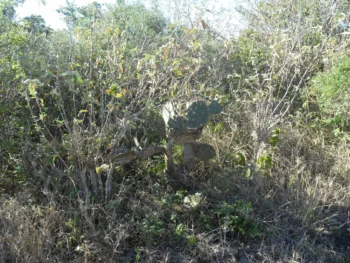
Erect Pricklypear: A Resilient Native Cactus for Southern Gardens
Looking for a low-maintenance, drought-tolerant plant that’s as tough as nails and naturally belongs in your landscape? Meet the erect pricklypear (Opuntia stricta), a fantastic native cactus that’s been thriving in the southeastern United States long before any of us started gardening. This spiky beauty might just be the perfect solution for those challenging spots in your yard where other plants fear to tread.
What Makes Erect Pricklypear Special?
Erect pricklypear is a perennial shrub that typically grows as a multi-stemmed woody plant, usually staying under 13-16 feet in height. Don’t let its modest size fool you – this cactus packs a punch when it comes to visual interest and ecological benefits. You might also see it listed under various scientific synonyms like Cactus strictus or Opuntia bentonii in older gardening references.
The real magic happens in spring and early summer when this unassuming cactus bursts into bloom with bright yellow flowers that practically glow in the sunlight. These cheerful blooms eventually give way to purple-red fruits that add another layer of seasonal interest to your landscape.
Where Does It Call Home?
This native beauty naturally grows across the southeastern United States, including Alabama, Florida, Georgia, Louisiana, Mississippi, North Carolina, South Carolina, Texas, and Virginia. It’s perfectly adapted to the climate and conditions of these regions, making it an excellent choice for gardeners who want to work with nature rather than against it.
- Species observed
- No observations
Perfect for Dry, Sunny Spots
Here’s where erect pricklypear really shines – it’s what we call an obligate upland plant in most regions, meaning it almost never occurs in wetlands and thrives in well-draining, drier conditions. This makes it absolutely perfect for:
- Rock gardens and xerophytic landscapes
- Coastal properties where salt tolerance is important
- Slope stabilization and erosion control
- Desert-themed garden designs
- Low-water landscaping projects
Growing Conditions and Care
The beauty of erect pricklypear lies in its simplicity. This hardy native thrives in USDA hardiness zones 8b through 11, making it suitable for most of its native range. Here’s what it loves:
- Sunlight: Full sun is essential – at least 6-8 hours of direct sunlight daily
- Soil: Well-draining sandy or rocky soils are ideal; avoid heavy clay or waterlogged areas
- Water: Drought tolerant once established; minimal watering needed after the first year
- Temperature: Handle heat beautifully but may need protection during prolonged freezing weather
Planting and Long-Term Care
Spring is the best time to plant erect pricklypear, giving it a full growing season to establish before winter. Once planted, this low-maintenance native pretty much takes care of itself. Water regularly during the first growing season to help establish roots, then step back and let nature do its thing.
The biggest mistake gardeners make with pricklypear cacti is overwatering. Remember, this plant evolved to handle drought – too much moisture can actually harm it more than too little.
Wildlife and Pollinator Benefits
Don’t think of erect pricklypear as just another pretty plant – it’s a wildlife powerhouse! The bright yellow flowers are magnets for bees, butterflies, and other beneficial pollinators during blooming season. Later in the year, the purple-red fruits provide food for various bird species and small mammals, making your garden a true habitat rather than just decoration.
The dense, spiny structure also provides excellent nesting sites and shelter for small wildlife, adding another layer of ecological value to your landscape.
Is Erect Pricklypear Right for Your Garden?
If you’re dealing with hot, dry conditions, poor soil, or simply want to reduce your garden’s water requirements while supporting native wildlife, erect pricklypear could be your new best friend. It’s particularly valuable for gardeners in coastal areas who need plants that can handle salt spray and sandy soils.
Just remember to plant it where you want it to stay – those spines mean business! Consider placement carefully, keeping it away from high-traffic areas where people (and pets) might accidentally encounter those protective spikes.
By choosing native plants like erect pricklypear, you’re not just creating a beautiful, low-maintenance garden – you’re also supporting local ecosystems and wildlife that have evolved alongside these plants for thousands of years. Now that’s what we call a win-win situation!