Erect Spiderling: A Humble Native Annual Worth Knowing
If you’re looking for a plant that won’t steal the spotlight but quietly does its job in the garden ecosystem, meet the erect spiderling (Boerhavia erecta). This modest little annual might not win any beauty contests, but it’s got some surprising qualities that make it worth considering for the right garden situations.
What Exactly Is Erect Spiderling?
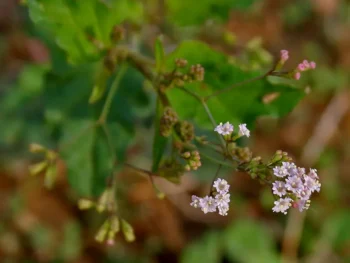
Erect spiderling is a native annual plant that belongs to the four o’clock family. Despite its somewhat intimidating common name (don’t worry, no actual spiders involved!), this is a delicate, fine-textured plant that produces tiny white to pinkish flowers. It’s one of those blink and you’ll miss it wildflowers that adds subtle texture rather than bold color to the landscape.
Where Does It Call Home?
This adaptable native has quite an impressive range across the American South and Southwest. You’ll find erect spiderling naturally occurring in Alabama, Arizona, Arkansas, Colorado, Florida, Georgia, Louisiana, Maryland, Mississippi, Missouri, New Mexico, North Carolina, Oklahoma, South Carolina, Tennessee, and Texas. It also grows in Puerto Rico, the U.S. Virgin Islands, and Navassa Island, showing just how well it adapts to different climates.
- Species observed
- No observations
Should You Plant Erect Spiderling?
Here’s the honest truth: erect spiderling isn’t going to be the star of your flower border. But there are some compelling reasons you might want to include it in your native garden:
- True native credentials: It’s authentically native across a huge range, supporting local ecosystems
- Drought tolerance: Once established, it shrugs off dry conditions like a champ
- Low maintenance: This is definitely a plant it and forget it kind of species
- Wildlife support: Those tiny flowers provide nectar for small pollinators like native bees and beneficial flies
- Self-reliant: As an annual, it often self-seeds in suitable conditions
Perfect Garden Situations
Erect spiderling shines in specific garden roles rather than as a specimen plant:
- Wildflower meadows: Adds fine texture and supports pollinator diversity
- Native plant gardens: Contributes to authentic regional plant communities
- Xeriscape gardens: Provides greenery without irrigation demands
- Naturalized areas: Perfect for low-maintenance, natural-looking spaces
Growing Conditions and Care
The beauty of erect spiderling lies in its simplicity. This plant thrives in:
- Sunlight: Full sun conditions
- Soil: Well-drained soils of various types
- Water: Drought tolerant once established; actually prefers drier conditions
- Climate zones: USDA zones 8-11, though it may self-seed in suitable microclimates
Interestingly, erect spiderling strongly prefers upland conditions. Across most of its range, it’s classified as obligate upland, meaning it almost never occurs in wetland areas. Only in the arid West does it occasionally pop up in wetter spots, where it’s considered facultative upland.
Planting and Maintenance Tips
Growing erect spiderling is refreshingly straightforward:
- Sowing: Direct seed in spring after the last frost
- Spacing: Scatter seeds naturally rather than planting in rows
- Watering: Water gently until germination, then let nature take over
- Fertilizing: Skip it—this plant prefers lean soils
- Maintenance: Practically none required; let it complete its natural cycle
The Bottom Line
Erect spiderling won’t transform your garden into a showstopper, but it offers something valuable: authentic native character with zero fuss. If you’re creating wildlife habitat, establishing a drought-tolerant landscape, or simply want to support local plant communities, this humble annual deserves a spot. Just don’t expect it to compete with your roses for attention—and that’s perfectly fine. Sometimes the best garden contributors are the ones that quietly do their job while everything else gets the glory.
Consider erect spiderling as part of a diverse native plant community rather than a standalone feature. Your local pollinators will thank you, even if your neighbors don’t immediately notice this understated addition to your garden.