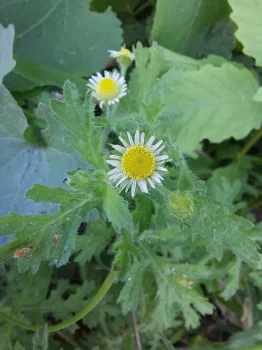
Erect Tropical Daisy: A Charming Native Annual for Wet Gardens
Meet the erect tropical daisy (Egletes viscosa), a delightfully diminutive native wildflower that proves good things really do come in small packages! This petite annual might not grab attention from across the yard, but up close, it’s absolutely enchanting with its tiny white daisy blooms and surprisingly resilient nature.
What Makes Erect Tropical Daisy Special?
Also known scientifically as Egletes viscosa (formerly Cotula viscosa), this native forb is a true Texan through and through. Unlike many showy garden favorites, the erect tropical daisy is perfectly content in soggy soils where other flowers might throw in the towel. It’s classified as a facultative wetland plant, meaning it absolutely loves wet feet but can tolerate drier conditions when needed.
As an annual, this little daisy completes its entire life cycle in one growing season, making it perfect for gardeners who enjoy the excitement of replanting each year or those who appreciate plants that self-seed and create delightful surprises.
Where Does It Call Home?
The erect tropical daisy is native to the southeastern United States, with Texas being its primary stronghold. You’ll find it naturally occurring in coastal regions and wetland areas throughout the Lone Star State, where it has adapted beautifully to the challenging conditions of seasonal flooding and intense heat.
- Species observed
- No observations
Garden Appeal and Landscape Role
Don’t expect towering drama from this modest beauty! The erect tropical daisy typically reaches just 6-12 inches in height with a similar spread. Its small, white daisy-like flowers (about 6-8mm across) feature cheerful yellow centers that seem to glow against the delicate foliage.
This native gem works wonderfully in several garden settings:
- Native plant gardens where authenticity matters
- Coastal landscapes that need salt-tolerant options
- Rain gardens and bioswales for natural water management
- Naturalized meadow areas
- Edges of ponds or water features
Perfect Growing Conditions
The erect tropical daisy is surprisingly easy-going once you understand its preferences. Think swamp chic rather than desert minimalist when planning its placement:
- Sunlight: Full sun to partial shade
- Soil: Moist to wet soils; tolerates clay and periodic flooding
- Water: Consistent moisture is ideal, but established plants handle some drought
- Hardiness zones: 8-10 (perfect for southern gardens)
Planting and Care Made Simple
Here’s where the erect tropical daisy really shines – it’s incredibly low-maintenance! Since it’s an annual that readily self-seeds, your biggest chore might be deciding where to let it pop up next year.
Starting from seed: Direct sow seeds in fall or early spring when temperatures are cool. Simply scatter them over prepared soil and lightly rake in – these seeds are tiny and don’t need deep planting.
Ongoing care: Once established, this native practically takes care of itself. Water during dry spells if you want maximum flowering, but established plants are surprisingly drought-tolerant for a wetland species.
End-of-season: Allow some flowers to go to seed if you want volunteers next year. The plant will naturally complete its cycle and provide seeds for the following season.
Wildlife and Pollinator Benefits
While small in stature, the erect tropical daisy punches above its weight when it comes to supporting local ecosystems. Its tiny flowers are perfectly sized for small native bees, beneficial flies, and other diminutive pollinators that larger flowers might exclude. It’s like hosting an exclusive party for the little guys of the pollinator world!
Should You Plant Erect Tropical Daisy?
If you’re gardening in USDA zones 8-10 and have a spot that stays consistently moist, absolutely! This native annual is perfect for gardeners who want to support local ecosystems without high-maintenance commitments. It’s especially valuable if you’re creating habitat gardens, managing stormwater naturally, or simply want to try something uniquely regional.
The erect tropical daisy won’t be the star of your garden’s show, but it will be that reliable supporting actor that makes everything else look better while quietly doing important ecological work. Sometimes the most valuable plants are the humble ones that just get on with the business of living – and helping others do the same.