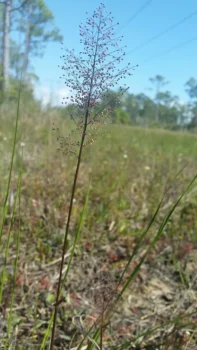
Erectleaf Panicgrass: A Hidden Gem for Wet Gardens
If you’ve been searching for a native grass that thrives in those persistently soggy spots in your garden, meet erectleaf panicgrass (Dichanthelium erectifolium). This unassuming southeastern native might not win any flashy flower awards, but it’s exactly what your rain garden or wetland area has been waiting for.
What Is Erectleaf Panicgrass?
Erectleaf panicgrass is a perennial grass native to the southeastern United States. You might also see it listed under its former scientific name, Panicum erectifolium Nash, in older gardening references. True to its name, this grass produces delicate, open seed heads (panicles) that dance gracefully in the breeze.
As a member of the grass family, erectleaf panicgrass brings that naturalistic, prairie-like feel to gardens without the aggressive spreading tendencies of some of its cousins.
Where Does It Call Home?
This charming grass is a true southerner, naturally occurring across Alabama, Florida, Georgia, Louisiana, Mississippi, North Carolina, and South Carolina. It’s perfectly adapted to the warm, humid conditions of the Southeast and the unique challenges that come with wetland living.
- Species observed
- No observations
Why Your Garden Might Love This Grass
Here’s where erectleaf panicgrass really shines: it’s what botanists call an obligate wetland plant. In plain English, that means it absolutely loves wet feet and will thrive in areas where other plants throw in the towel.
Consider adding erectleaf panicgrass to your landscape if you have:
- A rain garden that stays soggy after storms
- Low-lying areas that collect water
- A naturalistic wetland garden design
- Spots near ponds, streams, or water features
Garden Design Ideas
Erectleaf panicgrass works beautifully as a supporting player in native plant communities. Its fine texture and subtle presence make it perfect for:
- Creating naturalistic drifts in rain gardens
- Adding texture contrast alongside bold wetland wildflowers
- Establishing groundcover in consistently moist areas
- Building habitat structure for small wildlife
Growing Erectleaf Panicgrass Successfully
The good news? This grass is refreshingly low-maintenance once you understand its basic needs.
Light Requirements: Erectleaf panicgrass adapts well to both full sun and partial shade, making it versatile for various garden locations.
Soil and Water: Here’s the key to success – consistent moisture. This plant evolved in wetlands, so don’t let it dry out. It thrives in areas that stay moist to wet year-round.
Climate Zones: Best suited for USDA hardiness zones 8-10, which perfectly matches its native southeastern range.
Planting and Care Tips
Start with plants from reputable native plant nurseries rather than trying to grow from seed, as grass seeds can be tricky for home gardeners. Plant in spring or early fall when temperatures are moderate.
Once established, erectleaf panicgrass requires minimal intervention. Simply ensure it receives adequate moisture, especially during dry spells. Unlike lawn grasses, there’s no need for regular fertilization – it’s adapted to naturally nutrient-rich wetland soils.
Supporting Local Wildlife
While erectleaf panicgrass may seem humble, it plays an important role in supporting local ecosystems. As a native grass, it provides habitat structure for insects and small creatures, contributing to the complex web of life that makes healthy gardens possible.
Is This Grass Right for Your Garden?
Erectleaf panicgrass isn’t the right choice for every garden, but it’s perfect if you’re working with wet conditions and want to embrace native plant gardening. It’s particularly valuable for gardeners in the Southeast who are tired of fighting soggy soil conditions rather than working with them.
If you have well-drained soil or live outside its native range, you’ll want to explore other native grass options better suited to your specific conditions. But for those blessed with wet spots and a location within its native range, erectleaf panicgrass offers a beautiful, low-maintenance solution that works with nature rather than against it.