Eschscholtz’s Buttercup: A Bright Native Wildflower for Western Gardens
If you’re looking to add a cheerful splash of yellow to your native plant garden, Eschscholtz’s buttercup (Ranunculus eschscholtzii) might just be the perfect choice. This delightful perennial wildflower brings the classic buttercup charm to landscapes across western North America, offering both beauty and ecological benefits for gardeners who want to support local ecosystems.
What Makes Eschscholtz’s Buttercup Special?
Eschscholtz’s buttercup is a true native success story. This herbaceous perennial belongs to the forb family, meaning it’s a non-woody flowering plant that dies back to the ground each winter and returns with fresh growth in spring. What sets it apart from many garden flowers is its impressive native range and adaptability.
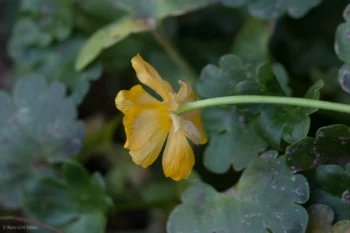
The plant produces bright yellow flowers that are wonderfully conspicuous during its early summer blooming period. Reaching about one foot in height, it forms a semi-erect growth pattern with attractive green foliage that provides a lovely backdrop for its sunny blooms. The flowers give way to brown seeds later in the season, though these aren’t particularly showy.
Where Does It Grow Naturally?
This remarkable buttercup species is native to an extensive range across western North America. You’ll find it growing naturally in Alaska, throughout western Canada (Alberta, British Columbia, Yukon, and Northwest Territories), and across much of the western United States including Arizona, California, Colorado, Idaho, Montana, Nevada, New Mexico, Oregon, Utah, Washington, and Wyoming.
- Species observed
- No observations
Garden Design and Landscape Uses
Eschscholtz’s buttercup shines in several garden settings:
- Native plant gardens: Perfect for recreating natural western ecosystems
- Wildflower meadows: Adds bright color to naturalistic plantings
- Rock gardens: Its moderate size works well among stones and alpine plants
- Wetland borders: Given its facultative wetland status, it’s excellent for rain gardens or pond edges
The plant’s single crown growth form and moderate growth rate make it well-behaved in mixed plantings. It won’t spread aggressively or take over other plants, making it an excellent team player in diverse native plant communities.
Growing Conditions and Care
Understanding this buttercup’s preferences will help ensure your success:
Soil Requirements: Eschscholtz’s buttercup adapts well to coarse and medium-textured soils but struggles in heavy clay. It prefers slightly acidic to neutral soils with a pH between 6.2 and 8.0. The plant has medium fertility requirements, so average garden soil should suffice.
Water Needs: This species has medium moisture requirements and low drought tolerance, making consistent watering important during dry spells. Its facultative wetland status means it actually prefers consistently moist conditions and can handle periodic flooding.
Light Requirements: Like most buttercups, this species is shade intolerant and performs best in full sun locations.
Climate Considerations: Hardy to temperatures as low as -33°F (roughly USDA zones 3-8), this buttercup needs at least 90 frost-free days and performs well in areas receiving 12-20 inches of annual precipitation.
Planting and Propagation
Growing Eschscholtz’s buttercup from seed is your best bet, as it’s not commonly available through commercial nurseries. Here’s what you need to know:
- Seed starting: With about 25,000 seeds per pound, a little goes a long way
- Timing: Plant seeds in fall for natural cold stratification, or start indoors in late winter
- Germination: Seeds show medium vigor once they germinate
- Growth rate: Expect moderate growth with active periods in spring and summer
- Establishment: Plants have slow regrowth after disturbance, so be patient
Wildlife and Pollinator Benefits
Those bright yellow flowers aren’t just pretty to look at—they’re valuable resources for local pollinators. Buttercups are known to attract various bees, flies, and other beneficial insects seeking nectar and pollen. The early summer bloom period provides important food sources when many pollinators are most active.
Potential Drawbacks to Consider
Before you fall completely in love with this buttercup, there are a few things to keep in mind:
- Moderate toxicity: Like many buttercups, this species contains compounds that can be irritating to skin and harmful if ingested
- Short lifespan: Individual plants may only live a few years, though they can self-seed under good conditions
- Limited availability: You’ll likely need to source seeds rather than plants, as it’s not commonly sold in nurseries
- Moisture dependent: Its low drought tolerance means it’s not suitable for xeriscaping
Is Eschscholtz’s Buttercup Right for Your Garden?
This native buttercup is an excellent choice if you’re gardening within its natural range and can provide consistent moisture. It’s particularly valuable for gardeners interested in supporting native pollinators and creating authentic regional plant communities. The bright yellow flowers add cheerful color to spring and early summer gardens, while the plant’s well-behaved growth habit makes it easy to incorporate into mixed native plantings.
However, if you’re looking for a drought-tolerant plant or gardening outside its native range, you might want to consider other options. The plant’s specific moisture and soil requirements, combined with its moderate toxicity, mean it’s not the right fit for every garden situation.
For western gardeners with the right conditions, though, Eschscholtz’s buttercup offers a wonderful way to bring a piece of the region’s natural beauty into your own backyard while supporting the local ecosystem that depends on native plants.