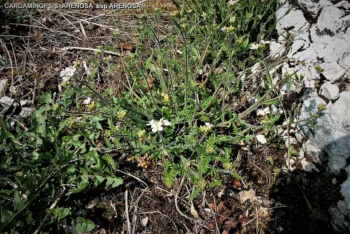
Eschscholtz’s Hairy Rockcress: A Hardy Native for Northwestern Gardens
If you’re looking for a tough, no-fuss native plant that can handle whatever Mother Nature throws at it, let me introduce you to Eschscholtz’s hairy rockcress (Arabis eschscholtziana). This unassuming little powerhouse might not have the flashiest name in the plant kingdom, but don’t let that fool you – it’s a gem for the right garden situation.
What Is Eschscholtz’s Hairy Rockcress?
Eschscholtz’s hairy rockcress is a native North American forb – that’s botanist-speak for a non-woody plant that dies back to the ground each year. What makes this plant particularly interesting is its flexibility: it can live as an annual, biennial, or perennial depending on growing conditions. Talk about adapting to survive!
You might also see this plant listed under its scientific synonyms, including Arabis hirsuta var. eschscholtziana or Arabis hirsuta ssp. eschscholtziana, but they’re all referring to the same hardy little plant.
Where Does It Call Home?
This resilient native has quite the range, naturally occurring throughout Alaska and several northwestern states including Idaho, Montana, Oregon, and Washington. It’s truly a child of the American Northwest, perfectly adapted to the region’s unique climate challenges.
- Species observed
- No observations
Why You Might Want to Grow It
Eschscholtz’s hairy rockcress offers several compelling reasons to earn a spot in your garden:
- Native credentials: As a true native species, it supports local ecosystems and requires minimal resources once established
- Pollinator magnet: The small white flowers attract native bees and other beneficial insects during blooming season
- Low maintenance: This plant thrives on neglect – perfect for busy gardeners or challenging sites
- Versatile growing habit: Works beautifully in rock gardens, naturalized areas, or as groundcover in informal settings
- Climate resilient: Hardy in USDA zones 3-7, making it suitable for cold northern climates
Where It Fits in Your Garden
This isn’t a plant for formal flower beds or high-maintenance landscapes. Instead, Eschscholtz’s hairy rockcress shines in:
- Rock gardens and alpine settings
- Natural or wildflower gardens
- Slopes and areas with challenging growing conditions
- Native plant gardens focused on regional species
- Low-water or drought-tolerant landscapes
Growing Conditions and Care
The beauty of this native is its adaptability. Here’s what it prefers:
- Sunlight: Full sun to partial shade
- Soil: Well-draining soil is essential – it won’t tolerate soggy conditions
- Water: Drought tolerant once established, though it appreciates some moisture during establishment
- Soil type: Adaptable to various soil types, but thrives in lean, rocky, or sandy soils
Its wetland status as Facultative Upland across all regions tells us this plant usually prefers drier sites but can handle occasional moisture – just don’t plant it in a bog!
Planting and Care Tips
Getting Eschscholtz’s hairy rockcress established is refreshingly straightforward:
- Plant in spring or fall when temperatures are moderate
- Choose a location with excellent drainage – this cannot be overstated
- Water regularly during the first growing season to help establish roots
- Once established, step back and let nature take over – minimal irrigation needed
- No fertilization necessary; this plant prefers lean conditions
- Deadheading spent flowers can encourage continued blooming
Is This Plant Right for You?
Eschscholtz’s hairy rockcress is ideal if you’re gardening in the Pacific Northwest or other cold regions and want a truly native, low-maintenance plant that supports local wildlife. It’s perfect for gardeners who appreciate subtle beauty over showy displays and prefer plants that work with nature rather than against it.
However, if you’re looking for a showstopper with bold colors or dramatic foliage, this might not be your plant. Its charm lies in its quiet resilience and ecological benefits rather than eye-catching flowers.
For native plant enthusiasts in its natural range, Eschscholtz’s hairy rockcress represents an excellent choice for creating sustainable, wildlife-friendly gardens that celebrate the unique character of northwestern landscapes.