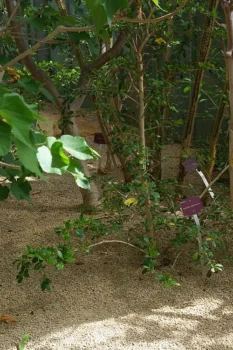
Growing Espino: A Thorny Treasure for Your Native Garden
If you’re looking to add a touch of Caribbean flair to your garden while supporting local ecosystems, let me introduce you to espino (Rochefortia spinosa). This spiny little shrub might not win any beauty contests at first glance, but it’s got personality in spades and plays an important role in its native habitat.
What Makes Espino Special?
Espino is a perennial shrub that’s as tough as nails and native to Puerto Rico. This multi-stemmed woody plant typically stays under 13-16 feet tall, making it a perfect fit for smaller landscapes. Don’t let its modest size fool you – this plant packs a punch with its thorny branches that earned it the name espino, which literally means thorn in Spanish.
You might also see this plant listed under its synonym Rochefortia cuneata, but whatever you call it, it’s the same resilient little character.
Where You’ll Find Espino Growing Wild
Espino is exclusively native to Puerto Rico, where it has adapted to the island’s unique climate and growing conditions. This makes it a fantastic choice for gardeners in Puerto Rico who want to embrace truly local flora.
- Species observed
- No observations
A Word of Caution: This Plant is Rare
Here’s something important every gardener should know: espino has a Global Conservation Status of S3, which means it’s considered vulnerable. With only an estimated 21 to 100 occurrences and between 3,000 to 10,000 individuals left in the wild, this isn’t your run-of-the-mill garden center find.
But here’s the good news – you can still grow it! Just make sure you source your plants responsibly from reputable native plant nurseries or conservation organizations. Never collect from wild populations.
Why Your Garden (and Local Wildlife) Will Love Espino
Despite its prickly personality, espino brings several benefits to the garden:
- Creates natural barriers and defensive hedging with its thorny branches
- Supports local wildlife as part of the native ecosystem
- Requires minimal maintenance once established
- Adds authentic Caribbean character to native plant gardens
- Produces small flowers that may attract local pollinators
Perfect Garden Settings for Espino
Espino thrives in:
- Native plant gardens showcasing Puerto Rican flora
- Xerophytic or drought-tolerant landscapes
- Coastal gardens where salt tolerance is beneficial
- Wildlife habitat gardens
- Security plantings where natural barriers are desired
Growing Espino Successfully
The beauty of espino lies in its low-maintenance nature. This shrub is adapted to Puerto Rico’s climate and thrives in USDA hardiness zones 10-11.
Growing Conditions:
- Full sun exposure
- Well-draining soils (avoid waterlogged conditions)
- Drought tolerant once established
- Tolerates poor soils
Planting and Care Tips:
- Plant during the cooler months when possible
- Water regularly during establishment (first year)
- Once established, espino can handle dry periods well
- Pruning may be necessary to control shape and size – wear thick gloves!
- Be mindful of placement due to thorny nature (avoid high-traffic areas)
The Bottom Line
Espino might not be the showiest plant in your garden, but it’s got heart. By choosing to grow this rare native species, you’re not just adding a unique Caribbean plant to your landscape – you’re participating in conservation efforts and supporting local ecosystems.
Just remember: source responsibly, plant thoughtfully, and give this thorny treasure the respect it deserves. Your garden (and Puerto Rico’s native plant heritage) will thank you for it.