Esteve’s Pincushion: A Delicate Desert Beauty for Water-Wise Gardens
If you’re looking for a charming native wildflower that thrives with minimal care, Esteve’s pincushion (Chaenactis stevioides) might just be your new garden favorite. This delicate annual brings a touch of desert elegance to water-wise landscapes while supporting local pollinators.
What Makes Esteve’s Pincushion Special?
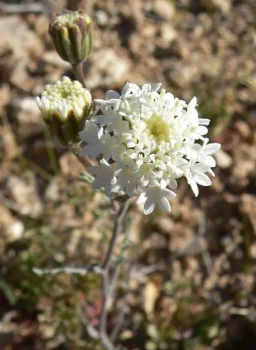
Esteve’s pincushion is a native forb that produces clusters of small, white to pale pink flower heads that look remarkably like tiny pincushions – hence the charming common name. As an annual herb, it completes its entire life cycle in one growing season, making it perfect for gardeners who enjoy the surprise of natural reseeding patterns.
This lovely wildflower belongs to the sunflower family and grows as a non-woody plant, typically reaching modest heights that make it ideal for front-of-border plantings or naturalizing in open areas.
Where Does It Call Home?
Esteve’s pincushion is proudly native to the western United States, naturally occurring across Arizona, California, Colorado, Idaho, Nevada, New Mexico, Oregon, Utah, and Wyoming. Interestingly, it also appears in New York, showing its adaptability beyond its primary western range.
- Species observed
- No observations
Why Gardeners Love This Native Wildflower
There are several compelling reasons to consider adding Esteve’s pincushion to your garden:
- Water-wise gardening champion: Once established, this drought-tolerant beauty requires minimal irrigation
- Pollinator magnet: The delicate flowers attract native bees, butterflies, and other beneficial insects
- Low maintenance: As a native plant, it’s naturally adapted to local conditions and requires little intervention
- Natural beauty: The soft, feathery flower heads add texture and gentle color to naturalized plantings
Perfect Garden Settings
Esteve’s pincushion shines in several garden styles:
- Native plant gardens: Combines beautifully with other western wildflowers
- Rock gardens: Thrives in well-draining, rocky conditions
- Xerophytic landscapes: Perfect for drought-tolerant garden designs
- Naturalized meadows: Creates lovely drifts when allowed to self-seed
Growing Esteve’s Pincushion Successfully
This adaptable native is surprisingly easy to grow when you understand its preferences:
Ideal Growing Conditions
- Sunlight: Full sun exposure for best flowering
- Soil: Well-draining sandy or rocky soils (avoid heavy clay)
- Water: Low water requirements once established
- Climate: Hardy in USDA zones 4-9
Planting and Care Tips
Getting started with Esteve’s pincushion is straightforward:
- Timing: Direct seed in fall for best germination
- Spacing: Scatter seeds naturally for a meadow effect
- Watering: Provide light irrigation until established, then rely on natural rainfall
- Maintenance: Minimal care required – avoid overwatering and fertilizing
Supporting Local Ecosystems
By choosing native plants like Esteve’s pincushion, you’re not just creating a beautiful garden – you’re supporting local wildlife and ecosystems. The flowers provide nectar for native pollinators that have co-evolved with this plant over thousands of years.
The Bottom Line
Esteve’s pincushion offers gardeners a wonderful opportunity to grow a truly native wildflower that’s both beautiful and beneficial. Its drought tolerance, pollinator appeal, and low-maintenance nature make it an excellent choice for gardeners seeking sustainable, wildlife-friendly landscaping options. Whether you’re creating a dedicated native plant garden or simply want to add some desert charm to your landscape, this delicate beauty deserves consideration.