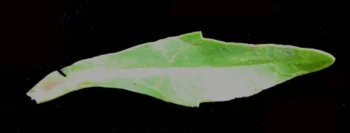
Estuary Beggarticks: A Native Wetland Wonder for Your Garden
If you’re looking to add some late-season color to your wetland garden while supporting local wildlife, estuary beggarticks (Bidens hyperborea) might just be the unsung hero you’ve been searching for. This hardy annual native offers more than meets the eye, especially if you’re working with those tricky wet spots in your landscape.
What Is Estuary Beggarticks?
Estuary beggarticks is a charming annual wildflower that’s perfectly adapted to life in wet places. As its common name suggests, this plant has a particular affinity for estuarine environments and other wetland areas. Don’t let the beggarticks part scare you off – while the seeds can be a bit clingy (they’ll stick to your clothes), this native beauty more than makes up for it with its ecological benefits.
Where Does It Call Home?
This northeastern native has quite an impressive range, stretching across eastern Canada and into the northeastern United States. You’ll find estuary beggarticks naturally growing in New Brunswick, Nova Scotia, Ontario, Quebec, and Nunavut in Canada, as well as in Maine, Massachusetts, New Hampshire, New Jersey, and New York in the U.S.
- Species observed
- No observations
Why Your Garden (and Local Wildlife) Will Love It
Here’s where estuary beggarticks really shines. This obligate wetland plant – meaning it almost always occurs in wetlands – serves as a crucial late-season nectar source when many other flowers have called it quits for the year. Its small, bright yellow composite flowers bloom from late summer into fall, providing essential fuel for migrating butterflies and late-active bees.
The plant’s role in your landscape goes beyond just looking pretty. It’s excellent for:
- Wetland restoration projects
- Rain gardens and bioswales
- Bog gardens or pond margins
- Naturalized areas that flood seasonally
- Adding late-season pollinator support
Growing Conditions and Care
If you’ve got a wet spot in your yard that other plants seem to struggle with, estuary beggarticks might be your solution. This adaptable native thrives in USDA hardiness zones 3-7 and has some pretty specific preferences:
- Sunlight: Full sun to partial shade
- Soil: Consistently moist to wet soils; tolerates periodic flooding
- pH: Adaptable to various soil pH levels
- Water: Loves wet feet – perfect for those soggy areas
Planting and Propagation Tips
Growing estuary beggarticks from seed is refreshingly straightforward. Since it’s an annual, you’ll want to let it self-seed or collect and sow seeds each year. Here’s how to get started:
- Direct sow seeds in fall for natural stratification over winter
- Alternatively, sow in early spring after the last frost
- Scatter seeds on the soil surface – they need light to germinate
- Keep the area consistently moist (shouldn’t be hard in wetland conditions!)
- Once established, the plant will often self-seed for future years
Maintenance and Long-term Care
One of the best things about estuary beggarticks is how low-maintenance it is once established. Since it’s adapted to wetland conditions, you won’t need to worry about watering – nature typically handles that part. The main care involves deciding whether to let it self-seed freely or collecting seeds to control where new plants appear.
Is Estuary Beggarticks Right for Your Garden?
This native annual is perfect if you:
- Have wet or seasonally flooded areas in your landscape
- Want to support late-season pollinators
- Are working on wetland restoration or rain garden projects
- Prefer low-maintenance native plants
- Live within its natural range (zones 3-7)
However, it might not be the best choice if you’re looking for a plant for dry, well-drained soils or formal garden settings. Its natural habitat is wetlands, and it’s happiest staying true to those conditions.
The Bottom Line
Estuary beggarticks may not be the showiest native plant, but it’s certainly one of the most valuable for wet areas and late-season wildlife support. If you’re working with challenging wet spots in your landscape or want to create habitat for pollinators and other wildlife, this northeastern native deserves serious consideration. Plus, there’s something deeply satisfying about working with a plant that’s perfectly adapted to conditions that challenge so many other species.