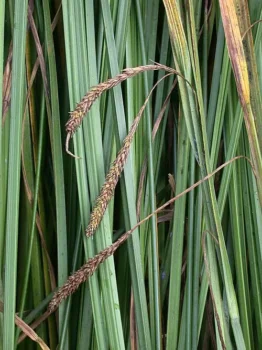
Estuary Sedge: A Native Wetland Wonder for Water-Loving Gardens
If you’re looking to create a authentic wetland garden or restore a naturally wet area of your property, estuary sedge (Carex recta) might be just the native plant you need. This lesser-known member of the sedge family brings authentic regional character to water-loving landscapes across northern North America.
What is Estuary Sedge?
Estuary sedge is a perennial grass-like plant that belongs to the sedge family (Cyperaceae). Like its sedge cousins, it’s perfectly adapted to life in wet conditions where many other plants would struggle. This hardy native has been quietly doing its job in wetland ecosystems for centuries, making it a reliable choice for gardeners wanting to work with nature rather than against it.
Where Does Estuary Sedge Call Home?
This adaptable native spans an impressive range across northern North America. You’ll find estuary sedge naturally occurring in Canadian provinces including Manitoba, New Brunswick, Nova Scotia, Ontario, Prince Edward Island, Quebec, Northwest Territories, and Nunavut, as well as Labrador and Newfoundland. In the United States, it grows in Maine and New Hampshire, with its range extending into St. Pierre and Miquelon.
- Species observed
- No observations
The Perfect Wetland Garden Plant
Here’s where estuary sedge really shines: it’s classified as an obligate wetland plant in the Northcentral and Northeast regions. This means it almost always occurs in wetland conditions naturally, making it an excellent choice for:
- Rain gardens and bioswales
- Pond margins and water features
- Naturally wet areas in your landscape
- Restoration projects for degraded wetlands
- Native plant gardens in consistently moist locations
Why Choose Estuary Sedge?
There are several compelling reasons to consider this native sedge for your water-loving garden:
Authentic Regional Character: By planting estuary sedge, you’re supporting the plant communities that naturally belong in your area. It’s like giving your local ecosystem a helping hand.
Low Maintenance: Once established in the right conditions, native wetland plants typically require minimal care since they’re perfectly adapted to their environment.
Ecological Value: Native sedges play important roles in wetland ecosystems, helping with water filtration and providing habitat structure, even if specific wildlife benefits for this species aren’t well-documented.
Growing Estuary Sedge Successfully
The key to success with estuary sedge is understanding its love for water. This plant thrives in consistently moist to wet soil conditions. If you have a naturally wet spot in your yard that other plants struggle with, this could be the perfect solution.
Ideal Conditions:
- Consistently moist to wet soil
- Full sun to partial shade tolerance (typical for wetland sedges)
- Cold-hardy (given its northern range)
- Clay or organic soils often found in wetland areas
A Word of Caution: Limited Information Available
Here’s the honest truth: specific growing information for Carex recta is somewhat limited in common gardening resources. This isn’t unusual for native wetland plants that aren’t widely cultivated commercially. If you’re interested in growing estuary sedge, consider:
- Contacting your local native plant society
- Reaching out to regional wetland restoration organizations
- Consulting with botanists at nearby universities or nature centers
- Working with native plant nurseries that specialize in regional species
The Bottom Line
Estuary sedge represents the kind of specialized native plant that can make a real difference in the right garden situation. While it may not be the showiest plant in your landscape, it offers authentic regional character and ecological value that’s hard to beat. If you have wet conditions and want to work with nature’s own plant choices, estuary sedge could be your new best friend.
Just remember to source your plants responsibly from reputable native plant suppliers, and don’t hesitate to reach out to local experts who can provide region-specific growing advice. Sometimes the most rewarding gardening experiences come from working with these lesser-known natives that truly belong in our local landscapes.