Eureka Dunegrass: A Rare Desert Treasure You Probably Shouldn’t Grow
Meet one of North America’s rarest grasses – Eureka dunegrass (Swallenia alexandrae). This little-known perennial grass might not win any beauty contests, but it holds the distinction of being one of the most endangered plants in the United States. Before you start thinking about adding this unique species to your garden, there are some important things you need to know.
What Makes Eureka Dunegrass Special?
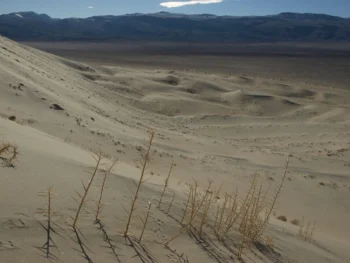
Eureka dunegrass is a small, tufted perennial grass that belongs to the same family as your lawn grass, but that’s where the similarities end. This hardy survivor has adapted to one of the harshest environments imaginable – the shifting sand dunes of California’s Death Valley. Also known by its scientific name Swallenia alexandrae (and formerly called Ectosperma alexandrae), this grass-like plant represents millions of years of evolution in extreme conditions.
Where Does It Come From?
Here’s where things get really interesting – and concerning. Eureka dunegrass is found in exactly one place on Earth: the Eureka Dunes in Death Valley National Park, California. That’s it. Nowhere else. This makes it what botanists call an endemic species, and in this case, it’s endemic to just a few square miles of desert.
- Species observed
- No observations
The Rarity Reality Check
Important Conservation Alert: Eureka dunegrass is listed as Endangered under the Endangered Species Act and has a Global Conservation Status of S2, meaning it’s imperiled due to extreme rarity. With only 6 to 20 known populations and an estimated 1,000 to 3,000 individual plants remaining in the wild, this grass is hanging on by a thread.
What does this mean for gardeners? Simply put, you shouldn’t plant Eureka dunegrass unless you have access to responsibly sourced, legally obtained material – which, frankly, you probably don’t and shouldn’t.
Why You’d Want It (But Probably Can’t Have It)
From an aesthetic standpoint, Eureka dunegrass isn’t going to wow your neighbors. It’s a small, modest grass that forms low tufts with narrow leaves and produces delicate seed heads. Its real beauty lies in its incredible resilience and unique evolutionary story.
If you could grow it (which, again, you shouldn’t try), it would theoretically thrive in:
- USDA Hardiness Zones 9-11
- Extremely hot, dry conditions
- Sandy, well-draining soil
- Full sun exposure
- Minimal to no supplemental watering
The Growing Reality
Even if conservation concerns weren’t an issue, Eureka dunegrass would be nearly impossible to grow in a typical garden setting. This plant has evolved specifically for life on shifting sand dunes in one of the hottest, driest places in North America. It requires very specific soil conditions, temperature ranges, and moisture levels that are virtually impossible to replicate outside its natural habitat.
The plant is wind-pollinated, so it doesn’t offer much in terms of pollinator benefits for your garden. Its specialized nature also means it doesn’t play well with other plants in mixed plantings or traditional landscape designs.
Better Alternatives for Your Garden
If you’re drawn to the idea of growing native grasses that can handle tough conditions, consider these more widely available and garden-appropriate alternatives:
- Purple needlegrass (Stipa pulchra) – California’s state grass
- Blue grama (Bouteloua gracilis) – excellent drought tolerance
- Buffalo grass (Poaceae dactyloides) – native prairie grass
- Little bluestem (Schizachyrium scoparium) – beautiful fall color
How You Can Help
While you can’t (and shouldn’t) grow Eureka dunegrass in your garden, you can still support its conservation:
- Support organizations working on desert conservation
- Practice Leave No Trace principles when visiting desert areas
- Choose native plants for your own garden to support local ecosystems
- Spread awareness about rare and endangered plants
The Bottom Line
Eureka dunegrass is a fascinating example of plant adaptation and survival, but it’s not destined for garden life. Its extreme rarity and specialized habitat requirements make it both inappropriate and nearly impossible to cultivate. Instead of trying to grow this endangered species, celebrate it by learning about desert conservation and choosing other native grasses that can thrive in your garden while supporting local wildlife and ecosystems.
Sometimes the best way to love a plant is to leave it where it belongs – and for Eureka dunegrass, that’s the windswept dunes of Death Valley, where it continues its ancient dance with the desert winds.