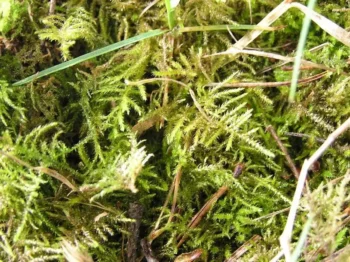
Eurhynchium Moss: The Feathery Ground Cover You Probably Already Have
If you’ve ever taken a stroll through a shaded woodland and noticed soft, feathery green carpets covering the forest floor, logs, or rock faces, chances are you’ve encountered eurhynchium moss (Eurhynchium praelongum). This unassuming little bryophyte might not win any garden center popularity contests, but it’s quietly working behind the scenes to create some of nature’s most enchanting ground covers.
What Exactly Is Eurhynchium Moss?
Eurhynchium moss belongs to the fascinating world of bryophytes – those ancient, non-flowering plants that include mosses, liverworts, and hornworts. Unlike your typical garden plants, this moss doesn’t have true roots, stems, or leaves in the traditional sense. Instead, it’s a collection of tiny, feathery structures that work together to create those lovely, soft mats you see in nature.
This particular moss is a native North American species, though it’s also found across Europe and parts of Asia. It’s what botanists call a terrestrial moss, meaning it grows on solid surfaces like soil, rotting logs, tree bark, and rocks rather than floating in water.
Where Does Eurhynchium Moss Call Home?
Eurhynchium moss is a true cosmopolitan, naturally occurring throughout much of North America. You’ll find it thriving in the cool, moist environments of deciduous and mixed forests, from the Pacific Northwest’s temperate rainforests to the hardwood forests of the eastern United States. It’s particularly fond of areas with consistent moisture and filtered sunlight.
Spotting Eurhynchium Moss in the Wild
Identifying eurhynchium moss is easier than you might think once you know what to look for:
- Feathery appearance: The moss forms loose, irregularly branched mats that look distinctly feathery or plume-like
- Color: Fresh specimens display a lovely bright to medium green color
- Texture: It feels soft and slightly springy underfoot
- Growth pattern: Often found in patches or extensive carpets rather than tight, compact cushions
- Preferred spots: Look for it on partially decayed logs, forest soil, rock faces, and occasionally tree bark
Is Eurhynchium Moss Good for Your Garden?
Here’s where things get interesting for us gardeners. While you probably can’t march down to your local nursery and pick up a flat of eurhynchium moss, this species can be incredibly beneficial if it decides to make itself at home in your landscape naturally.
The Garden Benefits
Natural erosion control: Those feathery mats help stabilize soil on slopes and prevent erosion during heavy rains.
Moisture retention: Moss acts like a natural sponge, helping to retain moisture in the soil beneath and creating ideal conditions for other woodland plants.
Wildlife habitat: While tiny, moss provides shelter and foraging opportunities for various small creatures, including beneficial insects and soil microorganisms.
Low-maintenance ground cover: Once established, moss requires absolutely no mowing, fertilizing, or watering – it’s the ultimate low-maintenance ground cover.
Creating Moss-Friendly Conditions
Rather than trying to cultivate eurhynchium moss directly (which can be tricky), consider creating conditions that might naturally attract it to your garden:
- Shade is key: Moss thrives in areas with filtered light or partial shade
- Keep it moist: Consistent moisture is crucial – think morning dew and gentle misting rather than soggy conditions
- Provide surfaces: Leave some fallen logs, create rock gardens, or maintain areas of exposed, compacted soil
- Reduce foot traffic: Moss doesn’t handle heavy trampling well
- Skip the fertilizer: Mosses prefer nutrient-poor conditions and can be outcompeted by other plants in rich soils
Working with What Nature Gives You
The beauty of eurhynchium moss lies in its ability to appear seemingly from nowhere and transform ordinary garden spaces into something magical. If you’re lucky enough to have it show up naturally in your woodland garden or shaded areas, consider it a sign that you’re doing something right environmentally.
Rather than fighting against moss or trying to remove it, embrace its presence as part of a healthy, balanced ecosystem. It’s particularly wonderful in native plant gardens, woodland settings, or anywhere you’re trying to create that authentic forest floor feeling.
Remember, patience is key with moss. It grows slowly but steadily, and once established, it can provide decades of soft, green beauty with virtually no maintenance required. Now that’s what we call a gardener’s dream!