European Bur-reed: A Native Wetland Wonder for Water Gardens
If you’re looking to add authentic native character to your water garden or wetland restoration project, European bur-reed (Sparganium emersum) might just be the perfect plant you’ve never heard of. Despite its common name suggesting European origins, this hardy perennial is actually native throughout much of North America and brings unique texture and ecological value to wet spaces.
What Makes European Bur-reed Special?
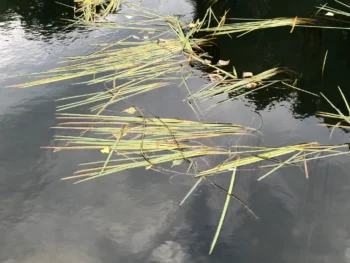
European bur-reed is a distinctive aquatic forb that creates an unmistakable presence in wetland settings. This perennial plant produces narrow, grass-like leaves and the characteristic spherical flower and seed heads that give bur-reeds their name. The round, spiky seed heads create interesting texture and visual appeal that lasts well into fall and winter.
As a true native plant, European bur-reed is found naturally across an impressive range, from Alaska and throughout Canada to most of the lower 48 states. This widespread distribution speaks to its adaptability and ecological importance in North American wetland ecosystems.
- Species observed
- No observations
Perfect for Wetland and Water Gardens
European bur-reed shines in specialized garden settings where its love of water can be fully appreciated:
- Pond margins and shallow water areas
- Bog gardens and rain gardens
- Wetland restoration projects
- Natural swimming pool edges
- Stream banks and seasonal wetlands
This plant is classified as an obligate wetland species across all regions of North America, meaning it almost always occurs in wetlands. This makes it an excellent choice for gardeners working with naturally wet areas or those creating water features.
Growing Conditions and Care
European bur-reed is refreshingly low-maintenance once you understand its basic needs:
Water Requirements: This plant must have consistent moisture. It thrives in shallow water (up to 12 inches deep) or permanently saturated soils.
Light: Performs best in full sun to partial shade conditions.
Hardiness: Hardy in USDA zones 3-8, making it suitable for most temperate regions.
Soil: Adapts to various soil types as long as they remain saturated or submerged.
Planting and Establishment
When planting European bur-reed, timing and placement are key to success. Plant in spring after the last frost, either directly in shallow water or in saturated soil at pond edges. The plant will establish gradually and spread naturally through underground rhizomes.
Once established, European bur-reed requires minimal care. Simply remove old growth in early spring before new shoots emerge, and ensure water levels remain consistent throughout the growing season.
Important Conservation Note
If you’re gardening in New Jersey, be aware that European bur-reed has a rarity status of S3 (vulnerable) in the state. This means it’s uncommon and could become imperiled. If you choose to grow it, make sure to source plants responsibly from reputable native plant nurseries rather than collecting from wild populations.
Wildlife and Ecological Benefits
While European bur-reed is wind-pollinated and doesn’t attract pollinators like flowering plants do, it provides valuable habitat and food sources for wetland wildlife. Waterfowl and other birds may use the seeds as food, and the plant structure provides cover for small aquatic creatures.
Is European Bur-reed Right for Your Garden?
European bur-reed is perfect for gardeners who:
- Have naturally wet areas or water features
- Want to create authentic native plant communities
- Are working on wetland restoration projects
- Appreciate subtle, naturalistic beauty over showy flowers
- Prefer low-maintenance plants once established
However, this plant isn’t suitable for traditional garden beds or areas that dry out seasonally. Its obligate wetland status means it simply won’t survive without consistent moisture.
European bur-reed offers gardeners a chance to grow a truly native wetland species that’s both ecologically valuable and visually interesting. While it won’t provide the colorful blooms of garden favorites, it brings authentic natural character and important habitat value to water gardens and wetland spaces.