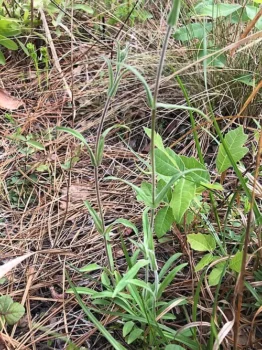
Eustis Lake Beardtongue: A Hidden Gem for Your Native Garden
If you’re looking to add some southeastern charm to your garden while supporting local wildlife, let me introduce you to a delightful native wildflower that deserves more attention: the Eustis Lake beardtongue (Penstemon australis). This perennial beauty might not be the flashiest flower in the garden center, but it’s got all the qualities that make native plant enthusiasts swoon.
What Makes Eustis Lake Beardtongue Special?
Penstemon australis is a true southeastern native, naturally occurring across nine states from Virginia down to Florida and west to Kentucky and Mississippi. As a perennial forb (that’s garden-speak for a non-woody flowering plant), it comes back year after year without the fuss of replanting annuals.
This charming wildflower produces tubular flowers in lovely shades of purple to violet, arranged in eye-catching terminal spikes. The flowers have that classic beardtongue look – imagine tiny trumpets calling out to every pollinator in the neighborhood!
- Species observed
- No observations
Why Your Garden (and Local Wildlife) Will Love It
Here’s where Eustis Lake beardtongue really shines: it’s a pollinator magnet. Those tubular flowers are perfectly designed to attract:
- Native bees seeking nectar
- Butterflies looking for a landing pad
- Hummingbirds drawn to the flower shape and color
By choosing this native over non-native alternatives, you’re providing food sources that local wildlife has evolved with for thousands of years. It’s like setting up a familiar restaurant versus a foreign cuisine – the locals know exactly what to expect!
Perfect Garden Situations
Eustis Lake beardtongue isn’t picky about where it lives, which makes it a fantastic choice for various garden styles:
- Native plant gardens (obviously!)
- Woodland edges and naturalized areas
- Rain gardens and bioswales
- Pollinator gardens
- Low-maintenance landscape borders
Thanks to its facultative upland status, this adaptable plant usually prefers non-wetland conditions but won’t throw a tantrum if things get a bit soggy occasionally.
Growing Conditions That Make It Happy
One of the best things about native plants like Penstemon australis is that they’re naturally adapted to local conditions. This means less work for you and better success in your garden. Here’s what it prefers:
- Light conditions: Partial shade to full sun
- Soil: Well-draining soils of various types
- USDA Hardiness Zones: 6-9
- Water needs: Drought tolerant once established
Planting and Care Tips
The beauty of native plants is their low-maintenance nature, and Eustis Lake beardtongue is no exception. Here’s how to set it up for success:
Planting: Spring or fall are ideal planting times. Choose a spot with good drainage – soggy roots aren’t this plant’s favorite thing.
Watering: Water regularly during the first growing season to help establish roots. After that, occasional watering during particularly dry spells will keep it happy, but it’s quite drought tolerant.
Maintenance: Minimal! You can deadhead spent flowers to encourage more blooms, but it’s not necessary. Let some flowers go to seed if you want to encourage natural spreading or provide food for seed-eating birds.
The Bottom Line
Eustis Lake beardtongue might not be the showiest plant at the garden center, but it’s exactly the kind of reliable, wildlife-friendly native that every southeastern garden needs. It’s low-maintenance, supports local ecosystems, and brings those lovely purple blooms that pollinators adore.
If you’re in its native range (Alabama, Florida, Georgia, Kentucky, Mississippi, North Carolina, South Carolina, Tennessee, or Virginia), this is definitely a plant worth seeking out. Your local pollinators will thank you, and you’ll have the satisfaction of growing something that truly belongs in your landscape.