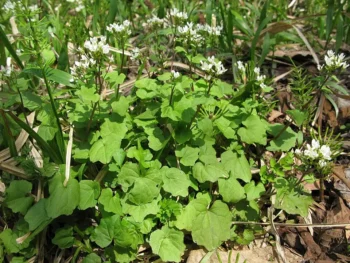
Eutrema: A Hardy Arctic Native for Specialized Gardens
If you’re looking for a plant that laughs in the face of freezing temperatures and thrives where most flowers fear to bloom, let me introduce you to Eutrema. This tough little perennial might not be a household name, but it’s earned its stripes surviving in some of North America’s most challenging climates.
What Exactly Is Eutrema?
Eutrema is a perennial forb – essentially a non-woody herbaceous plant that comes back year after year. Think of it as nature’s answer to what can possibly grow in the Arctic? These hardy little plants belong to the mustard family and produce clusters of small, delicate white flowers that seem almost miraculous given the harsh conditions they call home.
Where Does Eutrema Call Home?
This remarkable plant is truly a North American native, with an impressive range that spans from Alaska and Canada’s far northern territories down to select areas in the lower 48 states. You’ll find Eutrema naturally growing in British Columbia, Alaska, Manitoba, Colorado, Quebec, Yukon, Northwest Territories, Nunavut, and Labrador – basically, anywhere that gets really, really cold.
- Species observed
- No observations
Should You Plant Eutrema in Your Garden?
Here’s where things get interesting (and a bit challenging). While Eutrema is undeniably native and environmentally beneficial, it’s not your typical garden center find. This plant has evolved for extreme cold conditions, making it a specialized choice that requires careful consideration.
The Pros:
- Completely native to North America
- Incredibly cold-hardy (likely thriving in USDA zones 1-4)
- Low-maintenance once established in suitable conditions
- Provides nectar for cold-adapted pollinators
- Perfect for authentic alpine or arctic garden themes
The Challenges:
- Extremely difficult to grow in warmer climates
- Limited availability through traditional nurseries
- Requires very specific cool, moist growing conditions
- May not provide the visual impact most gardeners seek
Growing Conditions and Care
If you’re determined to grow Eutrema (and live in a suitably cold climate), here’s what you need to know:
Climate Requirements: This plant absolutely requires cool temperatures year-round. If you don’t experience long, cold winters and cool summers, Eutrema probably isn’t for you.
Soil Needs: Well-draining soil is essential, but it should remain consistently moist. Think of the conditions you’d find in alpine meadows or tundra regions.
Light Requirements: Full sun to partial shade, though in its native habitat, it often receives intense but cool sunlight.
Garden Design and Landscape Use
Eutrema works best in specialized garden settings:
- Rock gardens designed to mimic alpine conditions
- Arctic or subarctic themed landscapes
- Native plant gardens in appropriate climate zones
- Educational gardens showcasing cold-climate adaptations
Its compact, ground-hugging growth habit makes it suitable as a unique ground cover in these specialized settings.
Wildlife and Pollinator Benefits
While specific data on Eutrema’s wildlife benefits is limited, its small white flowers likely provide nectar for cold-adapted insects and other small pollinators that share its harsh habitat. In its native range, it’s part of the ecosystem that supports Arctic and subarctic wildlife.
The Bottom Line
Eutrema is fascinating from a botanical perspective and represents the incredible adaptability of native North American plants. However, it’s definitely a plant for specialized situations and dedicated cold-climate gardeners. If you live in zones 5 and warmer, you’re better off choosing other native plants suited to your climate.
For those in the far north looking to celebrate their region’s unique flora, Eutrema could be an interesting addition to a native plant collection – though you’ll likely need to source it through specialized native plant societies or seed exchanges rather than your local garden center.
Remember, the best native plant for your garden is one that’s actually native to your specific region and climate. While Eutrema is undeniably native to North America, it’s native to a very specific and extreme climate that most gardeners simply can’t replicate.