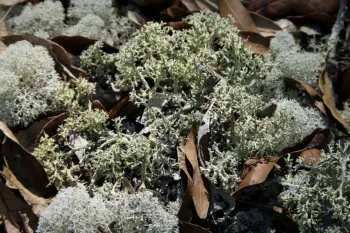
Evans’ Reindeer Lichen: A Fascinating Native Ground Cover You Can’t Really Grow
If you’ve ever wandered through the pristine wilderness of northern forests and wondered about those intricate, branching gray-green carpets covering the ground, you might have encountered Evans’ reindeer lichen (Cladina evansii). This remarkable organism isn’t actually a plant at all – it’s a lichen, which makes it one of nature’s most fascinating partnerships.
What Exactly Is Evans’ Reindeer Lichen?
Evans’ reindeer lichen is a composite organism made up of a fungus and algae living together in perfect harmony. Also known by its synonym Cladonia evansii Abbayes, this native North American species creates those beautiful, intricate branching structures that look almost like tiny coral formations or miniature trees.
The lichen forms pale gray-green to whitish cushions that can spread across the ground, creating a soft, carpet-like appearance. Its branching structure is highly divided and can grow several inches tall, giving it a distinctive three-dimensional texture that’s both delicate and resilient.
Where Does It Call Home?
As a native species to North America, Evans’ reindeer lichen thrives in the boreal and subarctic regions, particularly throughout northern Canada and Alaska. You’ll find it flourishing in areas with cool temperatures, high humidity, and most importantly, pristine air quality.
This lichen typically grows in USDA hardiness zones 1-4, with some populations possibly extending into zone 5 where microclimates provide suitable conditions. It prefers areas with minimal pollution and disturbance – think remote wilderness areas rather than suburban backyards.
Can You Grow It in Your Garden?
Here’s where things get interesting (and perhaps a bit disappointing for eager gardeners): you really can’t cultivate Evans’ reindeer lichen in the traditional sense. Unlike plants that you can propagate from seeds or cuttings, lichens require very specific environmental conditions that are nearly impossible to replicate in most garden settings.
Evans’ reindeer lichen needs:
- Exceptionally clean air with minimal pollution
- Cool, humid conditions year-round
- Specific substrate conditions (soil, rocks, or organic matter)
- Stable environmental conditions without disturbance
Most home gardens simply can’t provide these pristine conditions, especially in areas with any level of air pollution or frequent disturbance.
Is It Beneficial to Have Around?
Absolutely! If you’re fortunate enough to have Evans’ reindeer lichen naturally occurring on your property (likely only if you live in very northern, undisturbed areas), consider yourself lucky. This lichen serves several important ecological functions:
- Provides food for wildlife, particularly caribou and reindeer in northern regions
- Acts as a natural indicator of air quality – its presence signals clean, healthy air
- Contributes to soil formation and stabilization
- Creates unique textural interest in naturalistic landscapes
- Supports the broader ecosystem by providing habitat for small invertebrates
How to Identify Evans’ Reindeer Lichen
If you think you might have spotted this fascinating organism, here’s what to look for:
- Highly branched, coral-like growth structure
- Pale gray-green to whitish coloration
- Grows in cushion-like formations on the ground
- Branches that divide repeatedly, creating intricate patterns
- Soft, somewhat spongy texture when moist
- Found in areas with minimal human disturbance
The Bottom Line for Gardeners
While you can’t add Evans’ reindeer lichen to your shopping list for the local nursery, appreciating and protecting any naturally occurring populations is incredibly valuable. If you’re lucky enough to have this lichen on your property, the best thing you can do is leave it undisturbed and maintain the clean environmental conditions it needs to thrive.
For gardeners in more temperate zones looking to create interesting ground cover with a similar aesthetic appeal, consider native mosses or low-growing native plants that can provide texture and visual interest while being much more garden-friendly. Remember, sometimes the most beautiful aspects of nature are best admired and protected rather than cultivated.