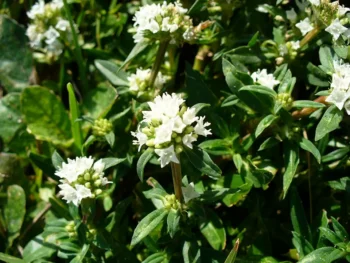
Everglades Key False Buttonweed: A Tiny Native Gem for Florida Gardens
If you’re passionate about native Florida gardening and love discovering plants that most people have never heard of, let me introduce you to Everglades Key false buttonweed (Spermacoce terminalis). This diminutive perennial might not win any beauty contests, but it’s got character – and it’s as Florida-native as they come!
What Makes This Plant Special?
Everglades Key false buttonweed is what botanists call a forb – basically a non-woody herbaceous plant that stays low to the ground. Don’t let the unassuming name fool you; this little plant has been quietly doing its thing in South Florida’s unique ecosystems long before any of us arrived on the scene.
You might also see this plant listed under its former scientific name, Borreria terminalis, if you’re digging through older gardening resources or botanical references.
Where Does It Call Home?
Here’s where things get interesting – and a bit exclusive. Everglades Key false buttonweed is found only in Florida, making it a true Florida endemic. This isn’t a plant you’ll stumble across in Georgia or Alabama; it’s chosen the Sunshine State as its one and only home.
- Species observed
- No observations
Should You Plant It in Your Garden?
The honest answer? It depends on what kind of gardener you are and where you live. This plant is perfect for:
- Native plant enthusiasts who want something truly unique
- Gardeners in South Florida looking for authentic local flora
- Those creating naturalized areas or wildflower meadows
- Anyone working on habitat restoration projects
However, if you’re looking for a showstopper that’ll have the neighbors asking for cuttings, this probably isn’t your plant. Everglades Key false buttonweed is more about ecological authenticity than eye-catching blooms.
The Growing Reality Check
Here’s where I need to be upfront with you – detailed growing information for Spermacoce terminalis is somewhat limited, which tells you something about how specialized this plant is. What we do know is that as a South Florida native, it’s adapted to:
- Warm, subtropical conditions (USDA zones 9b-11)
- Well-draining, sandy soils typical of its native habitat
- Full sun to partial shade conditions
- Natural rainfall patterns of South Florida
Planting and Care Tips
If you’re determined to grow this Florida native, here are some general guidelines based on its natural habitat preferences:
- Plant in spring after any threat of cold weather has passed
- Choose a sunny to partially shaded location
- Ensure excellent drainage – soggy soil is likely a no-go
- Once established, it should be relatively low-maintenance
- Avoid over-fertilizing, as natives typically prefer lean soils
The Bottom Line
Everglades Key false buttonweed isn’t for everyone, and that’s okay. It’s a plant for the native gardening purist, the ecological gardener, or someone working on a very specific South Florida restoration project. If you’re just starting your native plant journey, you might want to begin with some easier, more widely available Florida natives and work your way up to the rare gems like this one.
But if you’re already deep into native gardening and you love the idea of growing something that’s truly unique to Florida, this little forb might just be the perfect addition to your collection. Just remember – with great native plants comes great responsibility to source them ethically and never collect from wild populations.