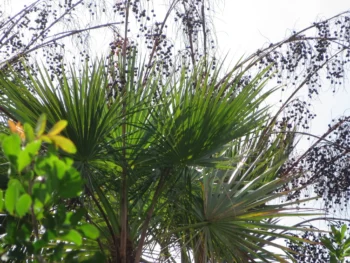
Everglades Palm: Florida’s Native Wetland Beauty
If you’re dreaming of adding authentic Florida flair to your landscape, meet the Everglades palm (Acoelorraphe wrightii) – a charming native that brings tropical elegance straight from the heart of the Sunshine State’s most famous wetlands. This delightful palm isn’t just another pretty face; it’s a hardworking native species that knows exactly how to thrive in Florida’s unique conditions.
What Makes the Everglades Palm Special
The Everglades palm is a true Florida native, naturally occurring throughout the state’s wetland areas. Unlike many palms you see in landscapes, this beauty evolved right here in Florida’s challenging environment, making it perfectly adapted to local conditions. You might also see it listed under its former scientific names, including Paurotis wrightii, but don’t let the name changes fool you – it’s the same wonderful plant.
This perennial palm grows as a multi-stemmed shrub, typically reaching 13-16 feet in height, though it can sometimes grow taller in ideal conditions. What really sets it apart is its clustering growth habit, creating beautiful natural groupings that look like nature intended them to be there – because she did!
Where You’ll Find It Growing Wild
The Everglades palm calls Florida home, thriving throughout the state’s wetland areas. From the famous Everglades to coastal marshes and swampy areas, this palm has made itself comfortable in Florida’s most challenging growing conditions.
- Species observed
- No observations
Why Your Garden Will Love This Native Palm
Here’s where the Everglades palm really shines – it’s absolutely gorgeous and incredibly practical. The silvery-green fan-shaped leaves create an instantly tropical look that screams Florida paradise. But unlike many exotic palms that struggle in our climate, this native knows exactly what it’s doing.
The clustering growth habit means you get more visual impact from a single planting, and the natural groupings look effortlessly elegant. Whether you use it as a stunning specimen plant or create dramatic groupings, the Everglades palm adds authentic tropical character that can’t be faked.
Perfect Spots for Your Everglades Palm
This palm is tailor-made for specific landscape situations:
- Tropical and subtropical gardens seeking authentic Florida character
- Rain gardens and wetland restoration projects
- Areas with consistently moist or wet soil
- Naturalistic landscapes that celebrate native ecosystems
- Coastal properties dealing with occasional flooding
The Wetland Connection
Here’s something crucial to understand: the Everglades palm is classified as an obligate wetland species in the Atlantic and Gulf Coastal Plain region. This means it almost always occurs naturally in wetlands and has adapted to thrive in consistently wet conditions. This isn’t a palm for dry, sandy spots – it’s nature’s solution for beautiful landscaping in wet areas where other plants might struggle.
Growing Conditions That Make It Happy
Success with Everglades palm comes down to understanding its wetland nature:
- Moisture: Consistent moisture to wet soil is essential – think swamp conditions, not desert
- Light: Full sun to partial shade; it’s adaptable but appreciates some protection in harsh conditions
- Climate: USDA hardiness zones 10-11 only – this is a true tropical that can’t handle freezing
- Humidity: High humidity levels that naturally occur in Florida
Planting and Care Tips
Getting your Everglades palm established is straightforward if you respect its needs:
- Timing: Plant in spring when warm weather is establishing
- Location: Choose the wettest spot in your landscape – near ponds, in low-lying areas, or in rain gardens
- Soil preparation: Ensure drainage isn’t too good – this palm actually wants to stay wet
- Watering: Keep consistently moist; never let it dry out completely
- Fertilizing: Use palm-specific fertilizer with micronutrients
- Pruning: Remove only completely brown fronds; never cut green or yellowing ones
Supporting Local Wildlife
As a native species, the Everglades palm provides benefits to local wildlife that exotic alternatives simply can’t match. Its flowers attract various native insects, supporting the pollinator network that keeps Florida’s ecosystems healthy. When you plant native, you’re not just landscaping – you’re participating in conservation.
Is the Everglades Palm Right for You?
The Everglades palm is perfect if you:
- Have consistently wet or boggy areas in your landscape
- Want authentic Florida tropical style
- Live in zones 10-11
- Appreciate supporting native ecosystems
- Need a low-maintenance palm for challenging wet conditions
However, this palm isn’t the right choice if you have dry, well-draining soil or live outside of zones 10-11. It’s also not suitable for areas that experience freezing temperatures.
The Everglades palm proves that native doesn’t mean boring – it means perfectly adapted, effortlessly beautiful, and authentically Floridian. If you have the right wet conditions and tropical climate, this native palm offers unmatched beauty that celebrates the unique character of Florida’s incredible wetland ecosystems.