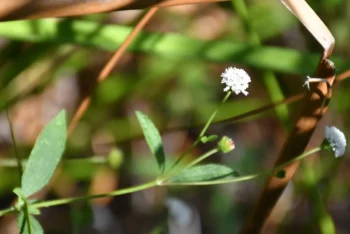
Everglades Squarestem: A Hidden Gem for Florida Native Gardens
If you’re looking to add authentic Florida flair to your garden while supporting local wildlife, meet Everglades squarestem (Melanthera angustifolia) – a charming native wildflower that’s perfectly adapted to the Sunshine State’s unique growing conditions. This perennial forb might not be a household name, but it deserves a spot in every Florida native plant enthusiast’s garden.
What Makes Everglades Squarestem Special?
Everglades squarestem is a true Florida native, naturally occurring only in the state that gives it its common name. As a perennial forb, it’s an herbaceous plant that comes back year after year without developing woody stems – think of it as nature’s reliable comeback artist. The plant gets its squarestem name from its distinctive four-sided stems, a unique characteristic that helps distinguish it from other wildflowers.
Where You’ll Find It Growing Wild
This native beauty calls Florida home, specifically thriving in the southern regions of the state. You’ll find it growing naturally in the Everglades and surrounding wetland areas, where it has adapted perfectly to the region’s wet-dry cycles and subtropical climate.
- Species observed
- No observations
Garden Appeal and Design Uses
Don’t let its modest appearance fool you – Everglades squarestem brings subtle charm to any native garden design. The plant produces small, bright yellow composite flowers that create delicate splashes of color throughout the growing season. Its narrow leaves and upright growth habit make it an excellent choice for:
- Native wildflower gardens
- Rain gardens and bioswales
- Wetland restoration projects
- Naturalized landscape areas
- Native plant collections
A Pollinator’s Best Friend
Here’s where Everglades squarestem really shines – it’s a fantastic pollinator plant! Those cheerful yellow flowers are like tiny landing pads for native bees, butterflies, and other beneficial insects. By planting this native wildflower, you’re creating a mini ecosystem that supports Florida’s native pollinators and contributes to local biodiversity.
Growing Conditions and Climate Requirements
Everglades squarestem is perfectly suited for USDA hardiness zones 9b through 11, which covers most of South Florida. This plant has a special relationship with water – it’s classified as facultative for wetlands, meaning it’s equally happy in wet or moderately dry conditions. Here’s what it prefers:
- Sunlight: Full sun to partial shade
- Soil: Moist to wet soils, tolerates periodic flooding
- Water: Thrives with consistent moisture but adapts to seasonal variations
- Soil type: Adaptable to various soil types common in Florida
Planting and Care Tips
One of the best things about native plants like Everglades squarestem is their low-maintenance nature once established. Here’s how to give your plants the best start:
- Planting time: Spring or early fall for best establishment
- Spacing: Allow adequate room for natural spreading
- Watering: Keep consistently moist during establishment; mature plants are quite drought-tolerant
- Fertilizing: Generally unnecessary – native plants prefer lean soils
- Maintenance: Minimal pruning needed; deadheading can extend blooming period
Is Everglades Squarestem Right for Your Garden?
This native wildflower is an excellent choice if you:
- Garden in South Florida (zones 9b-11)
- Want to support native pollinators and wildlife
- Have areas with moist to wet soil conditions
- Appreciate subtle, naturalistic beauty over showy displays
- Are creating a rain garden or wetland area
- Want low-maintenance, drought-tolerant plants once established
However, if you’re gardening outside of South Florida or prefer dramatic, large flowers, you might want to consider other native options better suited to your region and preferences.
The Bottom Line
Everglades squarestem may not win any beauty contests, but it’s a true champion when it comes to ecological value and easy care. This humble Florida native offers gardeners a chance to create authentic, sustainable landscapes that celebrate the state’s natural heritage while providing essential resources for local wildlife. If you’re lucky enough to garden in South Florida, consider giving this underappreciated native a place in your landscape – both you and your local pollinators will be glad you did!