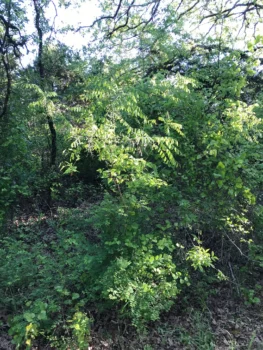
Eve’s Necklacepod: A Hidden Gem for Native Plant Enthusiasts
If you’re looking to add a touch of southern charm to your native plant garden, meet Eve’s necklacepod (Styphnolobium affine) – a delightful shrub that’s been quietly beautifying the American South for centuries. This perennial woody plant might not be a household name, but it’s definitely worth getting to know, especially if you’re passionate about supporting local ecosystems.
What is Eve’s Necklacepod?
Eve’s necklacepod is a native shrub that typically grows as a multi-stemmed woody plant, usually staying under 13-16 feet tall. You might also see it listed under its former scientific name, Sophora affinis, but don’t let the name changes confuse you – it’s the same wonderful plant that’s been gracing southern landscapes for generations.
Where Does It Call Home?
This charming shrub is a true southerner, native to just four states: Arkansas, Louisiana, Oklahoma, and Texas. It’s perfectly adapted to the climate and conditions of the south-central United States, making it an excellent choice for gardeners in these regions who want to go native.
- Species observed
- No observations
Important note for Arkansas gardeners: Eve’s necklacepod has a rarity status of S2S3 in Arkansas, meaning it’s somewhat rare in the state. If you’re in Arkansas and want to plant this species, make sure you source your plants responsibly from reputable native plant nurseries rather than collecting from wild populations.
Why Your Garden (and Local Wildlife) Will Love It
Eve’s necklacepod isn’t just a pretty face – it’s a pollinator magnet! The shrub produces clusters of lovely white to pale pink, pea-like flowers that bees, butterflies, and other beneficial insects absolutely adore. After flowering, it develops those distinctive segmented seed pods that give it the necklacepod part of its name – they really do look like nature’s jewelry!
This plant is perfect for:
- Native plant gardens
- Wildlife habitat restoration projects
- Prairie and naturalistic landscape designs
- Low-maintenance landscaping
Growing Eve’s Necklacepod Successfully
One of the best things about Eve’s necklacepod is that it’s refreshingly low-maintenance once established. Here’s what you need to know:
Climate Requirements: This plant thrives in USDA hardiness zones 6-9, making it well-suited for most of its native range and similar climates.
Site Selection: Choose a spot with well-drained soil and full sun to partial shade. This shrub is quite adaptable and can handle various soil types as long as drainage is good.
Watering: While young plants need regular watering to get established, mature Eve’s necklacepod is notably drought tolerant – a real blessing during those hot southern summers!
Maintenance: This is where Eve’s necklacepod really shines. It requires minimal pruning and generally takes care of itself once established. Just remove any dead or damaged branches as needed.
Is Eve’s Necklacepod Right for Your Garden?
If you’re in the plant’s native range and love the idea of supporting local ecosystems while enjoying beautiful flowers and interesting seed pods, Eve’s necklacepod could be perfect for you. It’s especially great for gardeners who want native plants that don’t require constant fussing.
However, remember that this plant has limited availability, particularly in Arkansas where it’s considered somewhat rare. Always purchase from reputable native plant nurseries that propagate their own plants rather than wild-collect them.
Ready to give Eve’s necklacepod a try? Your local pollinators will thank you, and you’ll have a unique conversation starter that showcases the beauty of southern native plants!