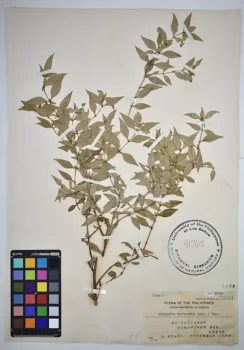
Exallage: A Mysterious Pacific Island Native
Meet Exallage, one of the botanical world’s best-kept secrets. This perennial plant is so rare in gardening circles that most plant enthusiasts have never heard of it – and there’s a good reason for that!
What Exactly Is Exallage?
Exallage is a perennial forb, which simply means it’s a non-woody plant that comes back year after year. Think of it as an herbaceous perennial that lacks the thick, woody stems you’d find on shrubs or trees. Instead, it maintains its life through underground parts while the above-ground portions may die back seasonally.
Where Does Exallage Come From?
This plant calls the Pacific Basin home, specifically the island nation of Palau. It’s a true native to this tropical paradise, having evolved in the unique climate and conditions of these Pacific islands.
- Species observed
- No observations
Should You Grow Exallage in Your Garden?
Here’s where things get tricky. While Exallage might sound exotic and appealing, there are several practical challenges to consider:
- Extremely limited availability: You’re unlikely to find Exallage at your local nursery or even specialty plant retailers
- Unknown growing requirements: With so little documentation about this plant’s specific needs, successful cultivation would be largely experimental
- Climate considerations: Coming from Palau’s tropical climate, it may not be suitable for most temperate gardening zones
- Conservation concerns: Given its limited native range, wild collection would be environmentally irresponsible
Better Alternatives for Your Garden
Instead of hunting for this elusive Pacific native, consider these approaches:
- Choose local natives: Focus on perennial forbs native to your specific region that will thrive in your climate and support local wildlife
- Explore Pacific-inspired plants: If you’re drawn to Pacific island aesthetics, look for more readily available tropical or subtropical plants suited to your zone
- Support conservation: Consider donating to organizations that protect Pacific island ecosystems where rare plants like Exallage naturally occur
The Takeaway
While Exallage represents the fascinating diversity of Pacific island flora, it’s not a practical choice for most home gardens. The lack of available information, seeds, or plants makes it nearly impossible to grow successfully. Your gardening energy is better spent on well-documented native plants from your own region that you can actually obtain and grow successfully.
Sometimes the most responsible approach to rare plants is simply appreciating them in their natural habitat and choosing more suitable alternatives for our home landscapes.