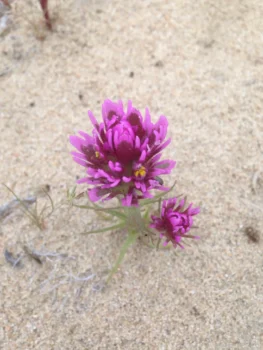
Exserted Indian Paintbrush: A Rare California Native Worth Growing
Meet the exserted Indian paintbrush (Castilleja exserta venusta), a charming annual wildflower that brings a splash of color to California’s native landscapes. This delightful forb is part of the beloved Indian paintbrush family, known for their vibrant, brush-like flower clusters that look like they’ve been dipped in paint.
A True California Native
The exserted Indian paintbrush is a proud native of California, calling the Golden State its exclusive home within the lower 48 states. As a native plant, it has evolved alongside local wildlife and growing conditions, making it a natural choice for gardeners looking to support their local ecosystem. This annual forb lacks woody tissue, instead putting all its energy into producing those eye-catching blooms during its single growing season.
- Species observed
- No observations
What Makes This Plant Special
Like other members of the Castilleja family, the exserted Indian paintbrush is known for its distinctive flowering structure. The actual flowers are quite small, but they’re surrounded by colorful bracts that create the paintbrush-like appearance that gives these plants their common name. While specific details about this particular variety’s appearance are limited, Indian paintbrushes typically display brilliant reds, oranges, or yellows that can brighten any garden space.
A Note About Rarity
Here’s something important to know: the exserted Indian paintbrush has a conservation status that suggests it may be uncommon in its native range. If you’re interested in growing this beautiful native, please make sure to source your seeds or plants from reputable native plant nurseries that practice responsible collection methods. Never collect seeds or plants from wild populations.
Garden Role and Landscape Use
This annual wildflower works beautifully in:
- Native plant gardens
- Wildflower meadows
- Natural landscaping projects
- Pollinator-friendly gardens
As an annual, it’s perfect for gardeners who enjoy changing displays each year or want to fill in gaps while perennial plants establish themselves.
Growing Conditions and Care
While specific growing requirements for this variety aren’t well-documented, Indian paintbrushes generally prefer:
- Full sun to partial shade
- Well-draining soils
- Low to moderate water once established
- Minimal fertilization (they often prefer lean soils)
Since this is a California native, it’s likely adapted to the state’s Mediterranean climate patterns, with wet winters and dry summers.
Planting and Care Tips
Growing Indian paintbrushes can be a bit tricky, as many species are semi-parasitic and form relationships with the roots of other plants. Here are some general tips:
- Sow seeds in fall for spring germination
- Plant alongside grasses or other compatible native plants
- Avoid over-watering once established
- Allow plants to self-seed for natural populations
Wildlife and Pollinator Benefits
Indian paintbrushes are fantastic for supporting local wildlife. They typically attract hummingbirds, who love to visit the tubular flowers, as well as butterflies and native bees. By choosing this native species, you’re providing food and habitat for California’s indigenous creatures.
The Bottom Line
The exserted Indian paintbrush offers gardeners a chance to grow a truly special California native. While it may require a bit more attention than common garden annuals, the reward of supporting local ecosystems and enjoying those distinctive painted blooms makes it worthwhile. Just remember to source responsibly and give this rare beauty the respect it deserves.
Whether you’re creating a native plant showcase or simply want to add some wild beauty to your landscape, the exserted Indian paintbrush could be the perfect addition to your California garden.