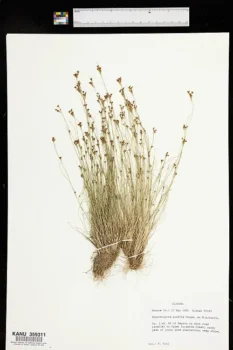
Fairy Beaksedge: A Delicate Native Sedge for Wet Gardens
If you’re looking to add a touch of delicate texture to your wet garden areas, fairy beaksedge might just be the understated star you’ve been searching for. This charming little native sedge brings a soft, grassy appearance to spots where many other plants would struggle to survive.
What Is Fairy Beaksedge?
Fairy beaksedge (Rhynchospora pusilla) is a perennial sedge that’s as delicate as its name suggests. This grass-like plant is part of the sedge family, which means it has that lovely fine-textured appearance that adds movement and softness to any planting. Don’t let its dainty appearance fool you though – this little plant is perfectly adapted to handle wet conditions that would make other plants throw in the towel.
Where Does It Call Home?
This southeastern native has quite the range, naturally growing throughout Alabama, Florida, Georgia, Louisiana, Mississippi, North Carolina, South Carolina, and Texas, plus it’s also found in Puerto Rico. It’s a true child of the coastal plains and warm climates, thriving in the humid conditions that define much of the southeastern United States.
- Species observed
- No observations
Why Consider Fairy Beaksedge for Your Garden?
Here’s where fairy beaksedge really shines – it’s your go-to plant for those tricky wet spots in your landscape. Whether you’re dealing with a naturally boggy area, planning a rain garden, or working on wetland restoration, this little sedge is perfectly at home in consistently moist to wet conditions.
The plant’s wetland status varies depending on your region, but it ranges from facultative wetland (usually found in wetlands but can handle some drier conditions) to obligate wetland (almost always needs wet conditions). This makes it incredibly valuable for areas where water tends to collect or where you want to create habitat for wetland-loving wildlife.
Garden Design and Landscape Role
Fairy beaksedge works beautifully as:
- Groundcover in wet areas where grass won’t grow
- Filler plant in rain gardens and bioswales
- Texture plant in naturalistic wetland gardens
- Restoration plant for native wet prairie or marsh areas
Its fine texture creates a lovely contrast when planted alongside broader-leaved wetland plants, and it helps create that natural, wild look that’s so appealing in native plant gardens.
Growing Conditions and Care
The secret to success with fairy beaksedge is simple: keep it wet! This plant thrives in:
- Consistently moist to wet soils
- Full sun to partial shade conditions
- Acidic soil conditions
- USDA hardiness zones 8-11
Once established, fairy beaksedge is refreshingly low-maintenance. The key is making sure it never completely dries out – think of it as the opposite of those drought-tolerant plants that need excellent drainage.
Planting and Establishment Tips
When planting fairy beaksedge, timing and location are everything. Plant it in spring when soil temperatures are warming up, and choose the wettest, most consistently moist area of your property. If you’re creating a rain garden or bog garden, this is the perfect candidate for those areas that stay saturated longest after rainfall.
Since specific propagation information can vary, it’s best to source plants from native plant nurseries that specialize in wetland species. They’ll be able to provide you with healthy, locally-adapted specimens that are ready to thrive in your wet garden conditions.
The Bottom Line
Fairy beaksedge might not be the showiest plant in your garden, but it’s exactly what you need for those challenging wet areas where other plants struggle. If you have naturally wet spots in your landscape or you’re interested in creating habitat for wetland wildlife, this delicate native sedge deserves a place in your plant palette. Just remember – this is definitely not a plant for dry gardens, but in the right wet conditions, it’ll reward you with years of soft, graceful texture.