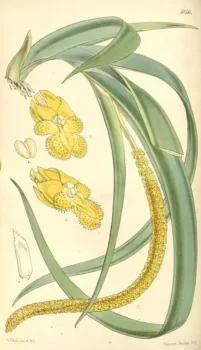
Fairy Orchid: A Tiny Treasure for Orchid Enthusiasts
Meet the fairy orchid (Oberonia), a delicate perennial that’s as enchanting as its common name suggests. This diminutive member of the orchid family brings a touch of tropical magic to specialized gardens, though it’s definitely not your typical backyard bloomer.
What Exactly Is a Fairy Orchid?
Fairy orchids are fascinating little plants that belong to the forb category – meaning they’re soft-stemmed perennials without woody tissue. Don’t let their delicate appearance fool you though; these orchids are perfectly adapted to their specialized lifestyle as epiphytes, growing on other plants rather than in soil.
Where Do Fairy Orchids Call Home?
These tiny orchids are native to the Pacific Basin, with documented populations in Palau. Their extremely limited natural range makes them quite special in the orchid world, representing the unique flora of Pacific island ecosystems.
- Species observed
- No observations
Should You Grow Fairy Orchids?
Here’s the honest truth: fairy orchids aren’t for everyone. These specialized plants require very specific growing conditions and expertise that most casual gardeners simply don’t have. However, if you’re an orchid enthusiast or serious collector, they can be absolutely rewarding to grow.
The Reality Check
- Extremely specialized growing requirements
- Limited availability due to restricted native range
- Requires advanced orchid-growing knowledge
- Not suitable for outdoor cultivation in most climates
- Best left to experienced orchid specialists
Growing Conditions and Care
If you’re determined to try growing fairy orchids, you’ll need to replicate their natural epiphytic environment. These plants typically grow attached to tree bark in their native habitat, requiring high humidity, excellent air circulation, and filtered light.
Essential Requirements
- High humidity (60-80%)
- Excellent air circulation
- Bright, filtered light (never direct sun)
- Specialized orchid mounting materials
- Consistent warm temperatures
A Word About Conservation
Given their limited native range in Palau, it’s crucial that any fairy orchids in cultivation come from reputable, ethical sources. Never collect plants from the wild, and always purchase from established orchid nurseries that practice responsible propagation.
Better Alternatives for Most Gardeners
Unless you’re already deep into orchid cultivation, consider exploring native orchid species from your own region instead. Many areas have beautiful native orchids that are better suited to local conditions and provide genuine benefits to local wildlife and pollinators.
Fairy orchids are undeniably fascinating plants, but they’re really best appreciated in specialized collections or botanical gardens where their unique needs can be properly met. For most of us, admiring them in photos or visiting them in professional collections is probably the most practical approach!