Fairyduster: A Delightful Native Shrub for Desert Gardens
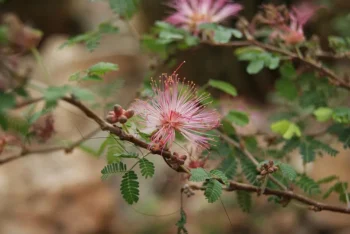
If you’re looking for a charming native plant that brings both beauty and wildlife value to your desert landscape, meet the fairyduster (Calliandra eriophylla). This delightful little shrub earns its whimsical name from its fluffy, powder-puff flowers that seem to dance in the desert breeze like tiny fairy wands.
What Makes Fairyduster Special
Fairyduster is a true native gem, naturally occurring across Arizona, California, New Mexico, and Texas. As a perennial shrub, it’s built for the long haul in your garden, typically reaching about 3 feet tall and wide with a naturally rounded shape. Don’t expect rapid growth—this plant takes its time with a moderate growth rate, but patience pays off with a mature, well-structured shrub.
- Species observed
- No observations
Garden Appeal and Design Role
What sets fairyduster apart is its unique aesthetic appeal. The plant produces eye-catching purple flowers (though they can appear pinkish-red) that are genuinely conspicuous against the fine-textured, green foliage. These aren’t your typical showy blooms—they’re delicate, feathery clusters that add an almost ethereal quality to desert landscapes.
In garden design, fairyduster works wonderfully as:
- An accent plant in xeriscapes
- A wildlife garden centerpiece
- A natural addition to native plant collections
- A low-maintenance border plant for desert-style landscaping
Perfect Growing Conditions
Fairyduster thrives in USDA hardiness zones 8-10, making it ideal for warmer climates. This tough little plant has adapted beautifully to challenging desert conditions:
- Soil: Prefers coarse or medium-textured soils with excellent drainage (avoid fine, clay-heavy soils)
- pH: Tolerates alkaline conditions well (pH 7.0-8.5)
- Water: Extremely drought tolerant with low moisture requirements
- Sun: Needs full sun and is shade intolerant
- Temperature: Can handle minimum temperatures down to 28°F
Wildlife and Pollinator Benefits
Here’s where fairyduster really shines—it’s a pollinator magnet! The nectar-rich flowers bloom in early spring, providing crucial early-season food for bees, butterflies, and especially hummingbirds. The plant’s moderate seed production also supports local wildlife, though the seeds don’t persist long on the plant.
Planting and Care Tips
Growing fairyduster successfully is refreshingly straightforward:
- Planting: Available through field collections, container plants, or propagation from seeds or cuttings
- Spacing: Allow about 1,200 plants per acre for natural density
- Watering: Once established, this plant thrives on minimal water (2-10 inches annually)
- Fertilizing: Has low fertility requirements—desert soil is typically sufficient
- Pruning: Tolerates hedging well and can resprout if cut back
- Fire considerations: Not fire-resistant, so consider placement in fire-prone areas
Is Fairyduster Right for Your Garden?
Fairyduster is an excellent choice if you’re creating a low-water, native landscape in its natural range. It’s particularly perfect for gardeners who want to support local wildlife while enjoying unique, delicate blooms. However, it’s not the right fit for wet areas, shaded spots, or regions outside its hardiness zones.
The plant’s moderate lifespan and excellent drought tolerance make it a smart investment for sustainable desert gardening. Plus, its nitrogen-fixing ability (though low) can actually benefit your soil over time.
Whether you’re designing a full xeriscape or just want to add a touch of native charm to your landscape, fairyduster offers that perfect blend of beauty, sustainability, and wildlife value that makes native gardening so rewarding.