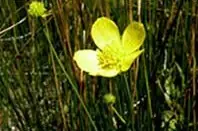
Fall Buttercup: Utah’s Rare Native Treasure Worth Protecting
If you’re a native plant enthusiast in Utah, you might have heard whispers about the elusive fall buttercup (Ranunculus aestivalis). This little-known wildflower is one of Utah’s most precious botanical gems – and one of its rarest. Before we dive into what makes this plant special, there’s something crucial you need to know about its conservation status.
A Plant on the Edge: Understanding Rarity
Fall buttercup isn’t just uncommon – it’s critically imperiled. With a Global Conservation Status of S1, this species is hanging on by a thread, with typically five or fewer known populations and fewer than 1,000 individual plants remaining in the wild. It’s officially listed as Endangered, making it one of Utah’s most vulnerable native plants.
Important note for gardeners: If you’re considering adding fall buttercup to your garden, please only use responsibly sourced material from reputable native plant societies or conservation programs. Never collect from wild populations – every plant in nature counts for this species’ survival.
Meet the Fall Buttercup
Ranunculus aestivalis goes by the common name fall buttercup, though you might also see it referenced by its botanical synonyms in older literature. As a member of the buttercup family, it shares the characteristic bright yellow flowers that make these plants so recognizable and beloved.
This perennial forb (a fancy way of saying it’s a non-woody flowering plant that comes back year after year) has a growth habit typical of its family. Like other forbs, it lacks significant woody tissue and keeps its growing points at or below ground level, helping it survive harsh conditions.
Where in the World: Geographic Range
Here’s what makes fall buttercup truly special – it’s found nowhere else in the world except Utah. This endemic species calls the Beehive State its one and only home, making it a true Utah native treasure.
- Species observed
- No observations
A Wetland Wonder
Fall buttercup has a particular fondness for wet places. Classified as Facultative Wetland in both the Arid West and Western Mountains regions, this plant usually calls wetlands home but can occasionally venture into drier areas. Think of it as a moisture-loving species that’s most comfortable with its feet wet.
Garden Potential and Landscape Role
For the lucky few who can obtain responsibly sourced fall buttercup, this plant offers unique opportunities:
- Conservation gardens: Perfect for gardeners passionate about preserving Utah’s native flora
- Wetland gardens: Ideal for bog gardens, rain gardens, or areas with consistent moisture
- Native plant collections: A crown jewel for serious Utah native plant enthusiasts
- Educational landscapes: Great conversation starter about plant conservation
Growing Conditions and Care
Based on its wetland status and Utah origins, fall buttercup likely thrives in:
- Moisture: Consistent water supply – think bog-like conditions
- Climate: Cool, mountain conditions typical of Utah’s higher elevations
- Soil: Probably prefers rich, organic soils that stay moist
- Hardiness: Likely adapted to Utah’s mountain climate zones
Supporting Pollinators
Like other buttercups, fall buttercup likely provides nectar and pollen for native bees and other small pollinators. Every buttercup flower is like a tiny landing pad offering a sweet reward to visiting insects.
The Bottom Line
Fall buttercup represents both an incredible opportunity and a significant responsibility. For Utah gardeners passionate about native plants and conservation, growing this species (with properly sourced material) can contribute to its preservation while creating a unique, meaningful garden feature.
However, this isn’t a plant for casual gardening. Its rarity demands respect, proper sourcing, and potentially specialized growing conditions. If you’re interested in growing fall buttercup, connect with Utah native plant societies, conservation organizations, or botanical gardens to learn about legitimate sources and proper care techniques.
Sometimes the most rewarding plants to grow are the ones that connect us to the fragile beauty of our local ecosystems – and fall buttercup is exactly that kind of special plant.