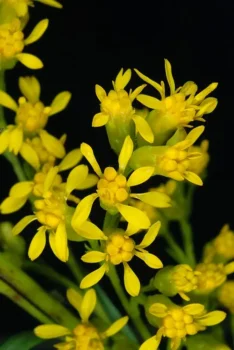
Fall Goldenrod: A Rare Gem for Your Native Garden
If you’re passionate about native plants and love supporting late-season pollinators, fall goldenrod (Solidago simulans) might just capture your heart. This perennial wildflower brings a burst of golden sunshine to gardens when many other flowers are calling it quits for the year.
What Makes Fall Goldenrod Special?
Fall goldenrod is a true southeastern native, naturally occurring only in Georgia, North Carolina, and South Carolina. As a herbaceous perennial forb, it lacks woody stems but returns year after year with renewed vigor. What makes this plant particularly noteworthy is its rarity – it carries a Global Conservation Status of S2, meaning it’s considered imperiled due to extreme rarity.
This conservation status means there are typically only 6 to 20 known occurrences of this species, making it a genuine treasure in the native plant world.
- Species observed
- No observations
Why Your Garden (and Local Wildlife) Will Love It
Fall goldenrod earns its common name by blooming later in the season when pollinators desperately need nectar sources. The cheerful yellow flowers attract bees, butterflies, and other beneficial insects during late summer and fall, providing crucial fuel for their winter preparations or migrations.
In your landscape, this goldenrod works beautifully in:
- Native plant gardens
- Pollinator-focused landscapes
- Naturalized areas
- Wildlife gardens
Growing Fall Goldenrod Successfully
Hardiness: This southeastern native thrives in USDA zones 7-9, matching its natural range.
Growing Conditions: Like most goldenrods, fall goldenrod likely prefers well-drained soils and full to partial sun exposure. Once established, it should be relatively low-maintenance and drought-tolerant.
Care Tips:
- Plant in spring after the last frost
- Provide regular water during the first growing season
- Allow the plant to naturalize rather than over-managing
- Leave seed heads through winter for wildlife food
A Word About Responsible Sourcing
Here’s the important part: due to its imperiled status, you should only plant fall goldenrod if you can source it responsibly. This means purchasing from reputable native plant nurseries that propagate their own stock rather than wild-collecting. Never harvest seeds or plants from wild populations.
If you can’t find responsibly sourced fall goldenrod, consider planting other native Solidago species that are more common in your area. They’ll provide similar benefits to pollinators while not putting pressure on rare populations.
The Bottom Line
Fall goldenrod represents the best of native gardening – supporting local ecosystems, providing for wildlife, and preserving our natural heritage. If you can source it responsibly, this rare beauty deserves a spot in your garden. Just remember that with great plants comes great responsibility to protect wild populations for future generations to enjoy.