Fall Phlox: A Late-Season Garden Star That’s Worth the Wait
When most perennials are starting to wind down for the season, fall phlox (Phlox paniculata) is just getting started. This showy perennial brings a burst of color and fragrance to gardens when you need it most – those final weeks of summer stretching into early fall.
What Makes Fall Phlox Special?
Fall phlox is a herbaceous perennial that belongs to the forb family – essentially a non-woody plant that dies back to the ground each winter and returns with vigor the following spring. What sets it apart is its timing and its show-stopping flower clusters that can reach impressive heights of 3-4 feet.
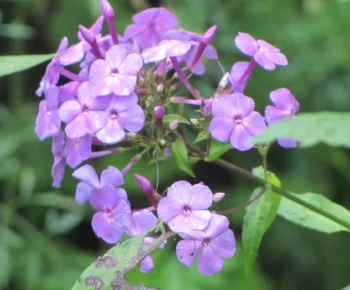
The flowers are the real stars here: dense, dome-shaped clusters (called panicles) packed with small, five-petaled blooms in shades of pink, purple, white, or red. But here’s the kicker – they’re incredibly fragrant, especially in the evening hours. It’s like having nature’s own perfume factory right in your backyard.
Where Fall Phlox Calls Home
This perennial is native to much of the eastern and central United States, naturally occurring from New York down to Georgia and stretching west to places like Iowa and Oklahoma. However, it has naturalized well beyond its original range and now grows in states across the country, from Alabama to Washington, and even into several Canadian provinces including Ontario and Quebec.
- Species observed
- No observations
The Good, The Bad, and The Beautiful
Let’s be honest – fall phlox isn’t perfect, but its benefits far outweigh its quirks.
The beautiful: Those gorgeous, fragrant flower clusters are pollinator magnets. Butterflies, bees, and even hummingbirds can’t resist them. Plus, they make fantastic cut flowers that’ll fill your house with that sweet, honey-like scent.
The challenging: Fall phlox has a reputation for being a bit of a drama queen when it comes to powdery mildew. This fungal issue can make the leaves look like they’ve been dusted with flour, though it rarely kills the plant.
Perfect Garden Companions
Fall phlox shines in traditional perennial borders and cottage gardens. Its upright growth habit (usually 3-4 feet tall and about 2-3 feet wide) makes it perfect for the middle to back of flower beds. It plays well with other late-season bloomers like asters, goldenrod, and ornamental grasses.
Consider it for:
- Pollinator gardens where its nectar-rich flowers will keep butterflies happy
- Cutting gardens for those fragrant bouquets
- Naturalized areas where it can spread and create drifts of color
- Traditional perennial borders for late-season interest
Growing Fall Phlox Successfully
The key to happy fall phlox is thinking about air circulation. This plant thrives in USDA hardiness zones 4-8 and prefers:
- Light: Full sun to partial shade (at least 6 hours of direct sun)
- Soil: Well-draining, consistently moist soil that’s rich in organic matter
- Space: Good air circulation to prevent that pesky powdery mildew
- Water: Regular watering, especially during dry spells, but avoid watering the foliage
Planting and Care Tips
Spring is the ideal time to plant fall phlox. Here’s how to set it up for success:
- Space plants about 2-3 feet apart to ensure good airflow
- Plant at the same depth it was growing in the pot
- Water at soil level rather than overhead to keep leaves dry
- Apply a 2-3 inch layer of mulch around (but not touching) the base
- Deadhead spent flowers to encourage more blooms
- Divide clumps every 3-4 years in early spring to maintain vigor
Pro tip: If powdery mildew does appear, don’t panic. Remove affected leaves, improve air circulation, and consider resistant varieties for future plantings.
A Note on Native Alternatives
While fall phlox is native to much of the United States, if you’re gardening outside its natural range and prefer to stick with local natives, consider these alternatives:
- Wild bergamot (Monarda fistulosa) for similar pollinator appeal
- New England aster (Symphyotrichum novae-angliae) for fall color
- Native goldenrods (Solidago species) for late-season blooms
The Bottom Line
Fall phlox earns its place in the garden through sheer determination and beauty. Yes, it might get a little powdery mildew, and yes, it needs regular water. But when those fragrant flower clusters light up your garden in late summer, attracting clouds of butterflies and filling your evening air with perfume, you’ll understand why gardeners have been growing this perennial for generations.
It’s particularly valuable because it bridges that gap between summer’s peak and fall’s finale, keeping your garden interesting when many other plants are calling it quits. For gardeners in zones 4-8 looking for reliable late-season color and fragrance, fall phlox is definitely worth considering.