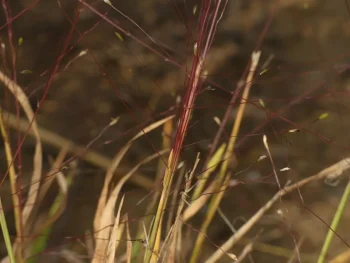
Fall Witchgrass: A Delicate Native Grass Worth Knowing
If you’re looking to add some wispy, natural charm to your garden while supporting local ecosystems, fall witchgrass might just be the unsung hero you’ve been searching for. This delicate native grass, scientifically known as Digitaria cognata, offers a subtle beauty that’s often overlooked in favor of showier plants—but that’s exactly what makes it special.
What is Fall Witchgrass?
Fall witchgrass is a perennial grass native to North America, and you might also hear it called Carolina crabgrass. Don’t let that crabgrass name scare you off—this is nothing like the weedy lawn invader you’re thinking of! This charming grass belongs to the graminoid family, which includes all our beloved grasses, sedges, and rushes.
What sets fall witchgrass apart is its delicate, airy appearance. The plant produces fine-textured foliage topped with open, wispy seed heads that seem to dance in the breeze. It’s the kind of grass that adds movement and texture without being pushy about it.
Where Does Fall Witchgrass Call Home?
This adaptable native has quite an impressive range across North America. You’ll find fall witchgrass growing naturally from southeastern Canada all the way down to Florida, and from the Atlantic coast west to states like Texas, Kansas, and Nebraska. It thrives in states including Alabama, Arkansas, Connecticut, Delaware, Georgia, Illinois, Indiana, Iowa, Kentucky, Louisiana, Maryland, Massachusetts, Michigan, Minnesota, Mississippi, Missouri, New Hampshire, New Jersey, New York, North Carolina, Ohio, Oklahoma, Pennsylvania, South Carolina, Tennessee, Vermont, Virginia, and Wisconsin.
- Species observed
- No observations
Why Grow Fall Witchgrass in Your Garden?
Here’s where fall witchgrass really shines as a garden addition:
- Native plant benefits: By choosing this indigenous grass, you’re supporting local ecosystems and providing habitat for native wildlife
- Low maintenance: Once established, it’s remarkably drought tolerant and requires minimal care
- Subtle beauty: The delicate seed heads add texture and movement to naturalistic plantings
- Wildlife value: While it doesn’t attract pollinators like flowering plants do, the seeds provide food for birds and small mammals
- Versatile growing conditions: Adapts to various soil types and light conditions
Perfect Garden Settings
Fall witchgrass isn’t meant for formal gardens or manicured lawns—it’s much happier in more relaxed settings. Consider it for:
- Native plant gardens where you want authentic local character
- Prairie restorations or meadow-style plantings
- Naturalistic landscapes that mimic local ecosystems
- Areas where you want low-maintenance groundcover with subtle appeal
- Informal garden borders where a soft, textural element is needed
Growing Fall Witchgrass Successfully
The beauty of fall witchgrass lies partly in how easy it is to grow. This adaptable native is quite forgiving once you understand its preferences.
Light requirements: Fall witchgrass performs best in full sun but will tolerate partial shade, making it more flexible than many native grasses.
Soil needs: This grass isn’t picky about soil type—it’ll grow in sandy soils, clay, and most everything in between. Good drainage is appreciated but not absolutely critical.
Climate considerations: Hardy in USDA zones 4-9, fall witchgrass can handle both cold winters and hot summers across most of the continental United States.
Planting and Care Tips
Getting fall witchgrass established is straightforward:
- Planting time: Spring or fall are ideal planting times
- Spacing: Allow adequate space for natural spreading—this grass will gradually fill in over time
- Watering: Water regularly during establishment, then reduce frequency as the grass becomes drought tolerant
- Maintenance: Cut back old growth in late winter or early spring before new shoots emerge
- Self-seeding: Be aware that fall witchgrass may self-seed readily, which can be a feature or a consideration depending on your garden goals
Is Fall Witchgrass Right for Your Garden?
Fall witchgrass is perfect for gardeners who appreciate understated native plants and want to create habitats that support local wildlife. If you’re drawn to naturalistic gardens, prairie-style plantings, or simply want a low-maintenance native grass that adds gentle texture to your landscape, this could be an excellent choice.
However, if you prefer highly controlled, formal gardens or need a grass that provides bold visual impact, you might want to consider other options. Fall witchgrass is all about subtle charm and ecological benefits rather than dramatic garden statements.
By choosing fall witchgrass, you’re not just adding a plant to your garden—you’re welcoming a piece of North America’s natural heritage that will quietly support local ecosystems while adding its own gentle beauty to your outdoor space.