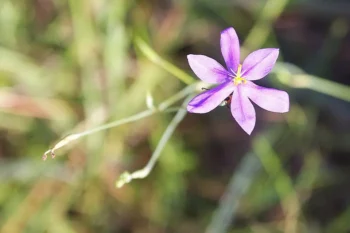
Fallflowering Pleatleaf: Florida’s Rare Autumn-Blooming Native
Meet the fallflowering pleatleaf (Nemastylis floridana), one of Florida’s most unique and elusive native wildflowers. While most plants are winding down for the season, this charming perennial is just getting started, producing delicate iris-like blooms when autumn arrives. But here’s the catch – this isn’t your typical garden center find, and for good reason.
A True Florida Original
The fallflowering pleatleaf is what botanists call an endemic species, meaning it exists naturally nowhere else on Earth except Florida. This perennial forb (a fancy term for a non-woody flowering plant) has made the Sunshine State’s wetlands its exclusive home for thousands of years.
Unfortunately, this exclusivity comes with a price. Nemastylis floridana currently holds a Global Conservation Status of S2, which translates to Imperiled. With typically only 6 to 20 known occurrences and fewer than 1,000 to 3,000 individual plants remaining in the wild, this species is walking a tightrope toward extinction.
- Species observed
- No observations
What Makes It Special
Don’t let its rarity fool you into thinking it’s a showoff – the fallflowering pleatleaf is refreshingly modest. This wetland specialist produces grass-like foliage that blends seamlessly into its marshy surroundings. Come fall, however, it reveals its secret weapon: small but striking blue to purple flowers that resemble tiny irises.
The timing of its bloom makes it particularly valuable. When most native wildflowers have finished their seasonal display, fallflowering pleatleaf provides a welcome burst of color and an important late-season nectar source for native bees and other small pollinators.
Growing Conditions: It’s All About the Water
As an obligate wetland plant, the fallflowering pleatleaf has very specific needs that can’t be compromised:
- Moisture: Requires consistently wet to saturated soils year-round
- Light: Thrives in full sun to partial shade
- Climate: Hardy in USDA zones 8-10 (essentially Florida’s climate)
- Soil: Prefers the organic, mucky soils typical of natural wetlands
Is It Right for Your Garden?
Here’s where things get interesting. While the fallflowering pleatleaf would be a fantastic addition to the right garden, it’s not a plant for everyone – or even most gardeners. This species is best suited for:
- Constructed wetland gardens
- Bog gardens with consistent water sources
- Rain gardens in appropriate climates
- Native plant restoration projects
- Gardens designed specifically for conservation purposes
The Conservation Conversation
Before you start planning your fallflowering pleatleaf garden, there’s an important conversation we need to have about conservation ethics. Given its imperiled status, this isn’t a plant you can or should casually add to your shopping list.
If you’re seriously interested in growing Nemastylis floridana, it’s crucial to source plants only from reputable native plant nurseries that propagate from legally and ethically obtained seeds – never from wild-collected plants. Many conservation-minded nurseries work directly with botanists and land managers to ensure their breeding stock doesn’t impact wild populations.
Planting and Care Tips
Successfully growing fallflowering pleatleaf requires recreating its natural wetland habitat:
- Ensure year-round soil saturation – this isn’t negotiable
- Use rainwater or distilled water when possible, as many wetland plants are sensitive to chemicals in tap water
- Provide a soil mix rich in organic matter, similar to natural wetland muck
- Be patient – like many native plants, establishment can take time
- Avoid fertilizers, which can harm wetland ecosystems
The Bottom Line
The fallflowering pleatleaf represents both the incredible diversity of Florida’s native flora and the fragility of our natural heritage. While it may not be the easiest or most accessible garden plant, it offers something invaluable: a chance to participate in conservation while enjoying a truly unique piece of Florida’s natural history.
If you have the right conditions and can source plants responsibly, growing fallflowering pleatleaf is more than gardening – it’s an act of conservation. Just remember that with great plants comes great responsibility, especially when those plants are hanging on by a thread in the wild.
For most gardeners interested in supporting Florida’s native ecosystem, consider exploring other native wetland plants that are more common and readily available. Your local native plant society can point you toward beautiful alternatives that won’t put additional pressure on imperiled species.