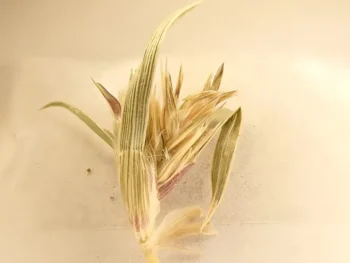
False Buffalograss: A Humble Native Grass Worth Knowing
Meet Munroa, better known as false buffalograss – a small but mighty native grass that’s been quietly doing its job across North America’s prairies and grasslands for centuries. While it might not win any beauty contests, this unassuming annual grass has some surprising qualities that make it worth considering for the right garden situation.
What is False Buffalograss?
False buffalograss (Munroa) is a native annual grass that belongs to the grass family. Don’t let the name fool you – it’s not actually related to true buffalograss, but early botanists thought they looked similar enough to warrant the comparison. This fine-textured grass typically grows low to the ground and has a delicate, almost wispy appearance that might have you wondering if it’s actually a weed at first glance.
Where Does It Grow Naturally?
This hardy little grass is a true North American native, calling both Canada and the lower 48 states home. You’ll find false buffalograss growing wild across an impressive range that includes Alberta, Manitoba, Saskatchewan, and a whopping 16 U.S. states: Arizona, California, Colorado, Kansas, Minnesota, Montana, Nebraska, Nevada, New Mexico, North Dakota, Oklahoma, Oregon, South Dakota, Texas, Utah, and Wyoming.
- Species observed
- No observations
Should You Plant False Buffalograss?
Here’s where things get interesting. False buffalograss isn’t your typical garden showstopper – it’s more of a behind-the-scenes player. This grass thrives in USDA hardiness zones 3-9, making it adaptable to a wide range of climates.
Consider planting it if you:
- Want to create a naturalized prairie or grassland garden
- Need erosion control for slopes or disturbed areas
- Are designing a xeriscape or drought-tolerant landscape
- Want to support native ecosystems and wildlife habitat
- Prefer low-maintenance, self-seeding plants
Skip it if you:
- Want a formal, manicured lawn appearance
- Need a grass that provides significant visual impact
- Prefer perennial plants that return year after year in the same spot
- Have heavy, poorly-draining soil conditions
Growing Conditions and Care
The beauty of false buffalograss lies in its simplicity and adaptability. This tough little annual has evolved to thrive in some pretty challenging conditions, which makes it surprisingly easy to grow once you understand its preferences.
Light: Full sun is essential – this grass loves bright, open conditions
Soil: Well-draining soils are a must. False buffalograss actually prefers sandy or gravelly soils and will struggle in heavy clay or waterlogged conditions
Water: Drought tolerant once established, this grass is perfect for areas with limited irrigation
Maintenance: Minimal – just let it do its thing!
Planting and Care Tips
Growing false buffalograss is refreshingly straightforward. Since it’s an annual, you’ll be starting fresh each year, but the good news is that it often self-seeds readily in favorable conditions.
When to plant: Direct seed in fall or early spring when soil temperatures are cool
How to plant: Scatter seeds lightly over prepared soil and rake in gently – seeds need good soil contact but shouldn’t be buried deeply
Ongoing care: Once established, false buffalograss requires minimal intervention. Avoid overwatering or fertilizing, as this can actually harm the plant
Ecological Benefits
While false buffalograss might not attract clouds of butterflies like some native wildflowers, it plays an important role in supporting local ecosystems. As a native grass, it provides habitat structure for small wildlife and insects. Its seeds can also provide food for birds, particularly ground-feeding species that forage in grassland environments.
The Bottom Line
False buffalograss isn’t going to be the star of your garden, but sometimes the supporting cast makes all the difference. If you’re working on a naturalized landscape, need erosion control, or simply want to include more native species in your outdoor space, this humble grass deserves consideration. Just remember that beauty in the garden comes in many forms – sometimes it’s about creating authentic habitat rather than just pretty pictures.