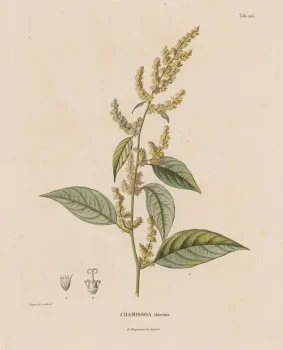
False Chaff Flower: A Humble Native for Caribbean Gardens
If you’re looking for a flashy showstopper to wow your neighbors, false chaff flower (Chamissoa altissima) probably isn’t your plant. But if you’re interested in supporting local ecosystems with authentic native species, this unassuming Caribbean native deserves a second look. Sometimes the most important garden contributors are the ones that work quietly behind the scenes.
What is False Chaff Flower?
False chaff flower is a native herbaceous plant that calls Puerto Rico and the U.S. Virgin Islands home. Botanically known as Chamissoa altissima, this forb herb is a vascular plant that stays relatively soft and green without developing significant woody tissue above ground. You might also see it listed under its scientific synonyms Achyranthes altissima or Celosia paniculata in older references.
The plant can behave as either an annual or perennial depending on growing conditions, giving it flexibility in how it fits into your garden’s rhythm.
Where Does It Grow?
This Caribbean native has a fairly limited natural range, growing wild in Puerto Rico and the Virgin Islands. Its distribution reflects its preference for tropical and subtropical climates where freezing temperatures are rare or nonexistent.
- Species observed
- No observations
What Does It Look Like?
Don’t expect false chaff flower to stop traffic with its blooms. This plant produces small, greenish-white flowers arranged in delicate, branching clusters called panicles. The overall effect is subtle and naturalistic rather than bold and dramatic. Think of it as nature’s version of baby’s breath – providing texture and filler rather than focal point appeal.
Why Grow False Chaff Flower?
Here’s where this humble plant shines: it’s authentically native to the Caribbean region, making it a valuable addition to ecological gardens. Native plants support local wildlife in ways that non-native species simply can’t match, having evolved alongside regional insects, birds, and other creatures over thousands of years.
False chaff flower works well as:
- A naturalistic groundcover in native plant gardens
- Filler in mixed native plantings
- Part of habitat restoration projects
- Low-maintenance addition to xerophytic (drought-tolerant) landscapes
Growing Conditions
One of false chaff flower’s best qualities is its adaptability. This plant typically thrives in well-draining soils and can handle periods of drought once established. Its wetland status as Facultative Upland means it usually prefers non-wetland conditions but can tolerate occasional wet periods.
Key growing requirements:
- USDA Hardiness Zones: 10-11 (tropical and subtropical regions only)
- Soil: Well-draining, adaptable to various soil types
- Water: Moderate to low water needs once established
- Sun: Full sun to partial shade
Planting and Care Tips
The good news about false chaff flower is that it’s relatively low-maintenance. Once you get it established, this native typically takes care of itself with minimal intervention.
For successful growing:
- Plant after the last frost in spring (though in zones 10-11, this is rarely a concern)
- Ensure good drainage to prevent root rot
- Water regularly during establishment, then reduce frequency
- Allow plants to self-seed for natural spread in appropriate areas
- Minimal fertilization needed – native plants often prefer lean soils
Wildlife and Ecological Benefits
While false chaff flower may not be the most spectacular pollinator magnet, its small flowers can attract tiny pollinators and beneficial insects. More importantly, as a native species, it provides authentic habitat and food sources that have supported Caribbean ecosystems for millennia.
Is False Chaff Flower Right for Your Garden?
This native is ideal for gardeners in Puerto Rico and the U.S. Virgin Islands who prioritize ecological authenticity over ornamental drama. If you’re creating a native plant garden, working on habitat restoration, or simply want to support local ecosystems, false chaff flower deserves consideration.
However, if you’re outside zones 10-11 or looking for bold ornamental impact, you’ll want to explore other options. For mainland U.S. gardeners seeking similar ecological benefits, consider researching native alternatives appropriate to your specific region.
Sometimes the best garden plants are the ones that work harmoniously with nature rather than demanding center stage. False chaff flower may be humble, but it’s authentically Caribbean – and that makes it pretty special indeed.