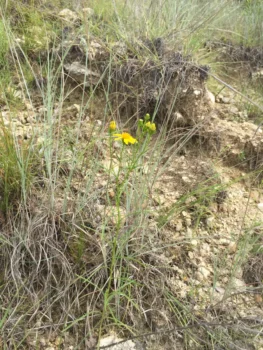
False Dogfennel: A Little-Known Texas and Oklahoma Native
Meet false dogfennel (Dysodiopsis tagetoides), one of those intriguing native plants that seems to have flown under the radar of most gardeners and even many botanists. This perennial forb calls the great states of Texas and Oklahoma home, yet you’d be hard-pressed to find much chatter about it in gardening circles. Sometimes the most interesting plants are the ones hiding in plain sight!
What Exactly Is False Dogfennel?
False dogfennel is a native perennial forb, which is just a fancy way of saying it’s a soft-stemmed herbaceous plant that comes back year after year. Unlike woody shrubs or trees, this plant stays relatively low and soft, making it more like what most people would call a wildflower or herb.
You might also see this plant listed under its scientific synonyms Dyssodia tagetoides or Hymenatherum tagetoides in older botanical references – botanists do love to shuffle plant names around as they learn more about plant relationships!
Where Does False Dogfennel Call Home?
This native beauty has a pretty specific address: it’s naturally found in Oklahoma and Texas. That’s it – just these two states can claim this plant as their own natural resident. For a native plant, that’s quite a limited range, which might explain why it’s not exactly a household name in gardening circles.
- Species observed
- No observations
The Appeal (And Challenge) of Growing False Dogfennel
Here’s where things get a bit tricky – and honestly, quite fascinating. False dogfennel appears to be one of those native plants that hasn’t made the jump from wild spaces into cultivation. There’s surprisingly little information available about what this plant looks like, how to grow it, or even what wildlife it supports.
Based on its geographic range in Oklahoma and Texas, it would likely thrive in USDA hardiness zones 7-9, but that’s educated guesswork rather than proven fact.
Should You Try Growing False Dogfennel?
If you’re an adventurous gardener in Texas or Oklahoma with a passion for truly native plants, false dogfennel could be an interesting challenge. However, you’ll face a few hurdles:
- Finding seeds or plants for sale will be extremely difficult
- Growing requirements are largely unknown
- You’d essentially be pioneering its cultivation
On the flip side, if you’re interested in supporting biodiversity and growing plants that are genuinely native to your specific region, this could be a rewarding project for the truly dedicated native plant enthusiast.
Alternative Native Options
If you’re drawn to the idea of false dogfennel but want something with more available information and sources, consider these other Texas and Oklahoma natives:
- Blanket flower (Gaillardia pulchella)
- Purple coneflower (Echinacea purpurea)
- Wild bergamot (Monarda fistulosa)
- Texas bluebonnet (Lupinus texensis)
The Bottom Line
False dogfennel represents one of those fascinating gaps in our gardening knowledge – a native plant that exists in the wild but hasn’t been brought into cultivation. While it’s probably not the best choice for most gardeners due to the lack of available plants and growing information, it serves as a reminder that there are still native treasures waiting to be discovered and appreciated in American gardens.
If you do happen to encounter this plant in the wild during your Texas or Oklahoma adventures, consider yourself lucky to spot one of the region’s more elusive native residents!