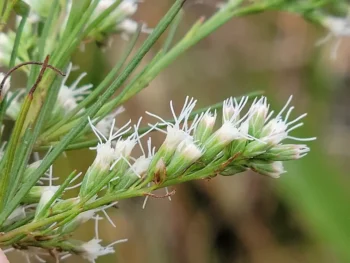
False Fennel: A Delicate Native Wildflower for Southeastern Gardens
If you’re looking for a native plant that brings late-season charm to your garden while supporting local wildlife, false fennel (Eupatorium leptophyllum) might just be the perfect addition to your landscape. This delicate southeastern native offers a graceful presence that’s both beautiful and beneficial.
What is False Fennel?
False fennel is a native perennial forb that calls the southeastern United States home. Despite its common name, this plant isn’t related to culinary fennel at all – it gets its name from its fine, narrow leaves that create a delicate, feathery appearance reminiscent of fennel foliage. Botanically known as Eupatorium leptophyllum, this charming wildflower belongs to the sunflower family and has been gracing southeastern landscapes for centuries.
Where Does False Fennel Grow Naturally?
This southeastern beauty is native to six states across the region: Alabama, Florida, Georgia, Mississippi, North Carolina, and South Carolina. You’ll typically find it growing in coastal plain areas, where it has adapted to the unique conditions of this diverse ecosystem.
- Species observed
- No observations
Why Plant False Fennel in Your Garden?
There are several compelling reasons to consider adding false fennel to your native plant palette:
- Late-season blooms: When many other flowers are fading, false fennel produces clusters of small white flowers that brighten the autumn landscape
- Pollinator magnet: The flowers attract butterflies, bees, and other beneficial insects during late summer and fall when nectar sources can be scarce
- Native plant benefits: As a true native, it supports local ecosystems and requires less water and maintenance than non-native alternatives
- Delicate texture: The fine foliage adds textural interest and creates a soft, naturalistic appearance
- Low maintenance: Once established, this perennial requires minimal care
Perfect Garden Settings
False fennel shines in specific garden situations where its natural preferences are met:
- Native plant gardens: An excellent choice for authentic southeastern native landscapes
- Rain gardens: Its tolerance for wet conditions makes it ideal for areas that collect water
- Wildflower meadows: Creates a naturalistic look when allowed to spread and self-seed
- Pond or stream edges: Thrives in the moist conditions found near water features
- Naturalized areas: Perfect for low-maintenance areas where you want native plants to establish naturally
Growing Conditions and Care
False fennel is quite accommodating when it comes to growing conditions, especially if you can provide what it naturally prefers:
Moisture: This plant loves moist to wet soils and can even tolerate seasonal flooding. It’s classified as a facultative wetland plant, meaning it usually grows in wetlands but can adapt to drier conditions if needed.
Light: Provide full sun to partial shade for best performance. In its native habitat, it often grows in open, sunny areas.
Soil: While adaptable to various soil types, false fennel performs best in consistently moist soils.
Climate: This plant is hardy in USDA zones 8-10, making it suitable for gardeners in the southeastern states where it naturally occurs.
Planting and Maintenance Tips
Getting false fennel established in your garden is relatively straightforward:
- Timing: Plant in spring after the last frost, or in fall to allow root establishment over winter
- Spacing: Allow adequate space for the plant to spread naturally
- Watering: Keep consistently moist, especially during establishment
- Maintenance: Cut back spent stems in late winter to make room for new growth
- Self-seeding: Allow some flowers to go to seed if you want the plant to naturalize in your garden
Wildlife Benefits
One of false fennel’s greatest assets is its value to local wildlife. The late-season flowers provide crucial nectar for butterflies preparing for migration or overwintering, while bees and other pollinators appreciate the abundant small blooms. The plant also supports various insects throughout its growing season, contributing to the overall health of your garden ecosystem.
Is False Fennel Right for Your Garden?
False fennel is an excellent choice for gardeners in the southeastern United States who want to create authentic native landscapes while supporting local wildlife. It’s particularly well-suited for gardeners who have moist or wet areas in their landscapes and want a low-maintenance, beautiful native option.
However, if you have a formal garden style or prefer non-native ornamentals, false fennel might not be the best fit. This plant is most at home in naturalistic settings where its wild, delicate character can truly shine.
For southeastern gardeners looking to embrace native plants and create wildlife-friendly spaces, false fennel offers a perfect combination of beauty, ecological value, and easy care that makes it a worthwhile addition to the right garden setting.