False Golden Polypody: A Stunning Native Fern for Warm Climate Gardens
Meet the false golden polypody (Phlebodium pseudoaureum), a show-stopping native fern that’s sure to add a touch of tropical elegance to your garden. This perennial beauty might not be as well-known as some other native plants, but it’s definitely worth getting acquainted with if you’re gardening in the right climate.
What Makes This Fern Special?
The false golden polypody is a true native treasure, naturally occurring in Florida and Puerto Rico. As a member of our native flora, this fern has evolved perfectly to thrive in these warm, humid environments. You might also encounter it listed under its botanical synonyms, including Phlebodium areolatum or Polypodium pseudoaureum, but don’t let the different names confuse you – they’re all referring to this same spectacular fern.
This fern grows naturally in Florida and Puerto Rico, making it a fantastic choice for gardeners in these areas who want to support local ecosystems while creating beautiful landscapes.
- Species observed
- No observations
Identifying False Golden Polypody
What sets this fern apart from the crowd? Look for these distinctive features:
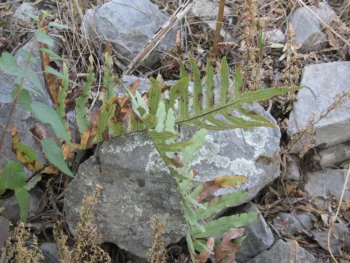
- Large, blue-green fronds that create a dramatic tropical appearance
- Golden scales on the undersides of the fronds (hence the golden in its name)
- Grows as a forb without woody tissue, typical of ferns
- Can reach impressive sizes when happy in its environment
Is It Right for Your Garden?
The false golden polypody is perfect for gardeners in USDA hardiness zones 9-11 who want to create lush, tropical-looking landscapes. This fern thrives in:
- Shade gardens where other plants might struggle
- Tropical and subtropical garden designs
- Container gardens (great for patios and decks)
- Indoor cultivation in bright, indirect light
Since this is a fern, don’t expect it to attract pollinators like bees and butterflies – ferns don’t produce flowers or nectar. However, they play other important ecological roles and can provide habitat structure for small creatures.
Growing Conditions and Care
Like most tropical ferns, the false golden polypody has some specific preferences:
- Bright, indirect light (avoid harsh direct sun)
- High humidity levels
- Well-draining soil that stays consistently moist but not waterlogged
- Warm temperatures year-round
- Protection from frost and freezing temperatures
One of the coolest things about this fern is that it can grow epiphytically – meaning it can grow on other plants or structures rather than just in soil. This makes it incredibly versatile for creative garden designs.
Why Choose a Native Fern?
By choosing the false golden polypody, you’re supporting local ecosystems and celebrating the natural heritage of Florida and Puerto Rico. Native plants are adapted to local conditions, which often means they require less maintenance once established and provide better habitat value than non-native alternatives.
While this fern might require some specific care to keep it happy, the dramatic tropical look it brings to shade gardens makes it well worth the effort. Plus, there’s something deeply satisfying about growing a plant that naturally calls your region home.
The Bottom Line
If you’re gardening in zones 9-11 and love the lush, tropical look, the false golden polypody could be exactly what your shade garden needs. This native beauty offers stunning visual appeal while supporting local ecosystems – a win-win for both you and the environment. Just remember to provide the warm, humid conditions it craves, and you’ll be rewarded with spectacular fronds that’ll make your neighbors green with envy.