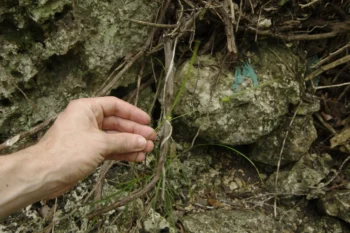
False Hair Sedge: A Hardy Native Sedge for Wetland Gardens
If you’re looking to add authentic native character to your landscape while supporting local ecosystems, false hair sedge (Carex bulbostylis) might be just the unsung hero your garden needs. This modest but mighty sedge brings quiet elegance and practical benefits to gardens across the southeastern United States.
Meet the False Hair Sedge
False hair sedge is a perennial graminoid—that’s botanist speak for a grass-like plant that’s actually a member of the sedge family rather than true grasses. Don’t let its humble appearance fool you; this native plant packs a punch when it comes to ecological value and garden utility.
You might also encounter this plant listed under its synonym Carex amphibola var. globosa in older botanical references, but Carex bulbostylis is the accepted name today.
Where False Hair Sedge Calls Home
This southeastern native has made itself at home across six states: Arkansas, Louisiana, Mississippi, Oklahoma, Tennessee, and Texas. Its natural range gives us great clues about where it thrives and what conditions it prefers in our gardens.
- Species observed
- No observations
Why Your Garden Will Love False Hair Sedge
Here’s where false hair sedge really shines—it’s incredibly versatile when it comes to moisture levels. Classified as a facultative wetland plant across multiple regions, this sedge usually prefers wet feet but won’t throw a tantrum if things dry out occasionally. This adaptability makes it perfect for:
- Rain gardens that experience both flooding and dry periods
- Naturalized landscapes mimicking native wetland edges
- Erosion control on slopes or stream banks
- Native plant gardens focusing on regional flora
While false hair sedge won’t win any flashy flower contests with its small, brownish flower spikes, its quiet beauty lies in providing texture and structure to plantings. Think of it as the reliable supporting actor that makes the whole garden performance better.
Growing Conditions That Make It Happy
False hair sedge is refreshingly low-maintenance once you understand its preferences:
- Moisture: Moist to wet soils are ideal, though it tolerates some drought
- Light: Partial shade to full sun—quite flexible!
- Soil: Adapts to various soil types, especially those that hold moisture
- Climate: Hardy in USDA zones 6-9, perfect for its native range
Planting and Care Tips
The beauty of native plants like false hair sedge is that they’re already adapted to local conditions, making your job as a gardener much easier:
- Plant in spring or fall when temperatures are moderate
- Space plants according to your desired coverage—they’ll naturally fill in over time
- Water regularly the first growing season to establish roots
- Once established, minimal care is needed beyond occasional weeding
- No fertilization necessary—native soils provide what it needs
Wildlife and Ecosystem Benefits
While false hair sedge might not be a butterfly magnet, it provides important ecological services. As a wind-pollinated plant, it offers habitat structure for small insects and contributes to the complex web of native plant communities. Its root system helps stabilize soil and filter water—exactly what you want in a rain garden or naturalized planting.
Is False Hair Sedge Right for Your Garden?
Consider false hair sedge if you:
- Want to incorporate true natives into your landscape
- Need plants for areas with variable moisture
- Appreciate subtle, naturalistic beauty over flashy displays
- Live within its native range of the southeastern United States
- Value low-maintenance, sustainable gardening
While false hair sedge won’t be the star of your garden show, it’s the kind of steady, reliable native that forms the backbone of authentic regional landscapes. In a world of exotic ornamentals, there’s something deeply satisfying about growing a plant that truly belongs in your local ecosystem.