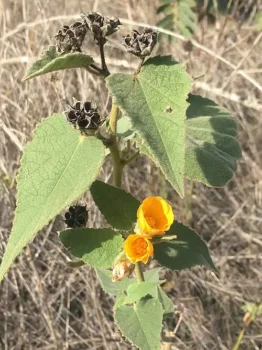
False Indianmallow: A Hidden Gem for Southwestern Gardens
If you’re looking for a native wildflower that won’t demand constant attention but will quietly charm your garden with delicate blooms, meet the false Indianmallow (Allowissadula). This unassuming perennial might not be the showiest plant in your garden center, but it’s exactly the kind of reliable, native performer that southwestern gardeners should get excited about.
What is False Indianmallow?
False Indianmallow is a native perennial forb—essentially a non-woody flowering plant that comes back year after year. Don’t let the false in its name fool you; there’s nothing fake about its value to native gardens. This charming wildflower produces small, bright orange to yellow-orange flowers and heart-shaped leaves that give it a delicate, cottage garden appeal.
As a true native of the American Southwest, this plant has spent centuries adapting to the challenging conditions of Texas and New Mexico. That evolutionary history makes it naturally suited to thrive in gardens across these regions without the fuss and resources that non-native plants often demand.
Where Does False Indianmallow Grow?
False Indianmallow calls the southwestern United States home, naturally occurring in New Mexico and Texas. This limited native range makes it a particularly special choice for gardeners in these states who want to support their local ecosystems with truly regional plants.
- Species observed
- No observations
Why Plant False Indianmallow in Your Garden?
Here’s where false Indianmallow really shines: it’s the perfect plant for gardeners who want native beauty without high maintenance drama. Here are the top reasons to consider adding it to your landscape:
- Drought tolerance: Once established, this native can handle dry spells like a champ
- Pollinator magnet: Those small flowers are bee and butterfly magnets
- Low maintenance: Native plants mean less work for you
- Authentic regional character: Adds genuine southwestern charm to your garden
- Perennial staying power: Plant once, enjoy for years
Perfect Garden Spots for False Indianmallow
False Indianmallow fits beautifully into several garden styles:
- Native wildflower gardens: Pairs naturally with other southwestern natives
- Xeriscapes: Perfect for water-wise landscaping
- Naturalized areas: Great for creating casual, meadow-like spaces
- Pollinator gardens: Supports local bee and butterfly populations
Growing Conditions and Care
The beauty of native plants like false Indianmallow is that they’re already adapted to local conditions. Here’s what this southwestern native prefers:
- Sunlight: Full sun for best flowering
- Soil: Well-draining soil is essential—avoid soggy conditions
- Water: Drought tolerant once established; avoid overwatering
- Climate zones: USDA zones 8-10
Planting and Care Tips
Getting false Indianmallow established in your garden is refreshingly straightforward:
- Timing: Plant in spring or fall when temperatures are moderate
- Drainage: Ensure excellent drainage—this is non-negotiable
- Watering: Water regularly during the first growing season, then step back
- Fertilizing: Skip the fertilizer—native soils provide what it needs
- Maintenance: Minimal pruning needed; let it naturalize
Supporting Local Wildlife
When you plant false Indianmallow, you’re not just adding beauty to your garden—you’re supporting local ecosystems. The flowers attract native bees and butterflies that have co-evolved with this plant over thousands of years. This kind of native plant-pollinator relationship is exactly what our fragmented landscapes need more of.
Is False Indianmallow Right for Your Garden?
False Indianmallow is ideal for gardeners who want to embrace native plant gardening without the guesswork. If you’re in Texas or New Mexico and looking for a low-maintenance perennial that supports local wildlife while adding authentic regional character to your landscape, this modest wildflower deserves serious consideration.
Just remember: good drainage is key, and less is more when it comes to care. Let this native do what it does best—thrive with minimal intervention while quietly supporting the local ecosystem that calls your garden home.