False Indigo Bush: A Native Powerhouse with a Few Caveats
Meet the false indigo bush (Amorpha fruticosa), a native North American shrub that’s equal parts wonderful and, well, a little complicated. This perennial powerhouse has been quietly doing its thing across the continent for centuries, and it might just be the perfect addition to your native garden – with a few important considerations we’ll dive into.
What Is False Indigo Bush?
Also known as desert false indigo, this robust shrub is a true North American native, calling both Canada and the lower 48 states home. False indigo bush is a multi-stemmed woody perennial that typically grows 6-15 feet tall, though it usually stays on the shorter side in most garden settings. Don’t let the name fool you – while it’s called false indigo, there’s nothing fake about its ornamental and ecological value.
Where Does It Grow Naturally?
This adaptable native has one of the most impressive natural ranges you’ll find. False indigo bush grows wild across an enormous swath of North America, from Manitoba and New Brunswick in Canada down through virtually every U.S. state except Alaska and Hawaii. You’ll find it naturally occurring everywhere from Alabama to Wyoming, making it a true continental native.
- Species observed
- No observations
The Good, The Bad, and The Beautiful
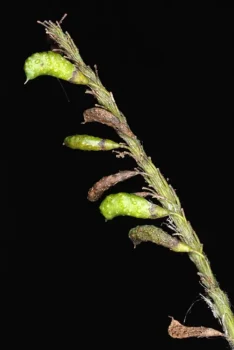
Let’s start with the gorgeous stuff. False indigo bush produces striking purple flower spikes in late spring that absolutely buzz with pollinator activity. Native bees, butterflies, and beneficial insects flock to these blooms like they’re at an all-you-can-eat buffet. The feathery, compound foliage provides a lovely textural contrast in the garden, and those brown seed pods that follow the flowers add autumn interest.
But here’s where things get a bit tricky. While this plant is wonderfully native across most of its range, it’s been flagged as Potentially Invasive, Prohibited in Connecticut. This means if you’re gardening in the Constitution State, you’ll want to skip this one and choose a different native shrub instead.
Garden Role and Landscape Uses
When planted responsibly in appropriate regions, false indigo bush shines in several garden roles:
- Rain gardens and bioswales (it loves wet feet)
- Wildlife and pollinator gardens
- Naturalized landscapes and prairie restorations
- Erosion control on slopes and banks
- Native plant gardens and woodland edges
This shrub is particularly valuable for its wetland status – it’s classified as Facultative Wetland across all regions, meaning it usually occurs in wetlands but can adapt to drier conditions. Perfect for those soggy spots where other plants struggle!
Wildlife Benefits
False indigo bush isn’t just pretty – it’s a wildlife workhorse. Large animals like deer browse on it regularly (though it typically makes up only 5-10% of their diet), and the flowers provide crucial nectar and pollen for native pollinators. It’s also a nitrogen-fixer, quietly improving soil fertility for neighboring plants.
Growing Conditions and Care
Here’s the best part about false indigo bush – it’s remarkably easy-going. This adaptable native thrives in USDA zones 2-8, tolerating everything from scorching summers to frigid winters (down to -38°F!).
Soil and Site Preferences
- Soil: Adaptable to coarse and medium-textured soils; skip the heavy clay
- pH: Happy anywhere from 5.0 to 8.5
- Moisture: Prefers consistent moisture but surprisingly drought-tolerant once established
- Light: Full sun lover, though it tolerates some shade
Planting and Care Tips
Getting false indigo bush started is surprisingly straightforward:
- Seeds need cold stratification, so plant in fall or give them a winter treatment
- Space plants 700-2,700 per acre depending on your goals
- Young plants prefer consistent moisture but don’t need heavy fertilization
- Growth rate is slow but steady – patience pays off
- Minimal maintenance required once established
Propagation Options
False indigo bush gives you several propagation paths. Seeds are abundant and viable (about 77,000 seeds per pound!), and the plant is routinely available from native plant nurseries. You can also propagate by bare root or container plants, though cuttings aren’t typically successful.
Should You Plant It?
If you’re outside of Connecticut and looking for a robust native shrub that supports wildlife while tolerating challenging growing conditions, false indigo bush could be your new best friend. It’s particularly valuable for rain gardens, naturalized areas, and anywhere you want to support native pollinators.
However, always check with your local extension office or native plant society about regional considerations. While this plant is native across most of North America, local conditions and ecosystem balance should always guide your planting decisions.
For Connecticut gardeners specifically, consider native alternatives like American elderberry (Sambucus canadensis) or ninebark (Physocarpus opulifolius) for similar wildlife benefits without invasive concerns.
The Bottom Line
False indigo bush represents both the promise and complexity of native gardening. When planted thoughtfully in appropriate regions, it’s a phenomenal choice for supporting native ecosystems while creating beautiful, low-maintenance landscapes. Just remember – being native doesn’t automatically mean plant everywhere, and responsible gardening means understanding your local context.