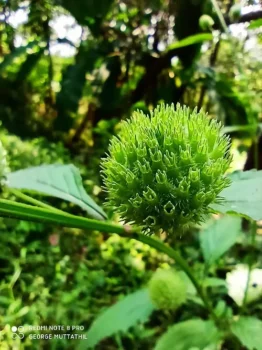
False Ironwort: A Hardy Herb with Tropical Charm
Meet false ironwort (Hyptis capitata), a resilient little herb that’s been quietly making itself at home in tropical gardens across the Pacific and Caribbean. This unassuming plant might not win any beauty contests, but it’s got character—and plenty of it!
What Exactly Is False Ironwort?
False ironwort is a forb herb, which is just a fancy way of saying it’s a soft-stemmed plant without woody tissue. Don’t let that fool you into thinking it’s delicate, though. This tough little customer can be either annual or perennial depending on growing conditions, and it’s got a knack for sticking around once it settles in.
The plant produces small, densely packed flower clusters that range from white to pale purple, sitting atop aromatic foliage like tiny botanical bouquets. While it won’t stop traffic with its looks, there’s something charmingly unpretentious about its appearance.
Where Does It Come From?
Here’s where things get interesting from a native gardening perspective. False ironwort is native to Puerto Rico and the U.S. Virgin Islands, where it’s perfectly at home in the Caribbean climate. However, it has also established itself as a non-native species in Hawaii, Guam, and Palau, where it reproduces spontaneously and persists without human intervention.
- Species observed
- No observations
Should You Plant False Ironwort?
The answer depends on where you’re gardening and what you’re hoping to achieve. If you’re in Puerto Rico or the U.S. Virgin Islands, you’re working with a true native that supports local ecosystems. In other tropical locations like Hawaii, you might want to consider native alternatives first, though false ironwort isn’t considered problematic.
Here are some reasons you might want to give it a try:
- Extremely low maintenance once established
- Attracts beneficial pollinators like bees and small butterflies
- Drought tolerant after the first growing season
- Works well in naturalized or low-maintenance garden areas
- Aromatic foliage adds sensory interest
Growing Conditions and Care
False ironwort is refreshingly easy-going when it comes to growing requirements. This plant thrives in USDA hardiness zones 10-11, so it’s really only an option for gardeners in tropical and subtropical climates.
For optimal growth, provide:
- Full sun to partial shade (it’s adaptable but prefers bright conditions)
- Well-draining soil (it’s not picky about soil type)
- Moderate water during establishment, then occasional watering
- Space for natural spreading—it likes to naturalize
Wetland Tolerance
One of false ironwort’s superpowers is its flexibility with moisture levels. It has a facultative wetland status, meaning it can handle both wet and dry conditions with equal aplomb. This makes it particularly useful for areas with variable moisture or for gardeners who aren’t keen on consistent watering schedules.
The Bottom Line
False ironwort might not be the showstopper of your garden, but it’s the reliable friend who’s always there when you need them. It’s perfect for filling in naturalized areas, supporting pollinators, and adding texture to herb gardens without demanding much attention in return.
If you’re gardening in its native range, it’s definitely worth considering as part of a native plant palette. If you’re outside its native range, take a moment to explore native alternatives that might provide similar benefits while supporting your local ecosystem. Either way, this humble herb has earned its place in the pantheon of dependable garden companions.