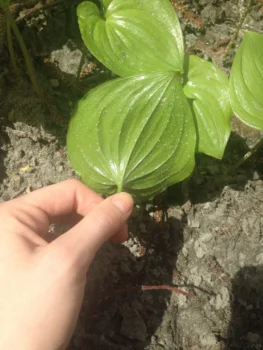
False Lily of the Valley: A Charming Native Groundcover for Shade Gardens
If you’re searching for a delightful native groundcover that thrives in shady spots, false lily of the valley (Maianthemum dilatatum) might just be your new garden favorite. Don’t let the false in its name fool you – there’s nothing fake about this plant’s genuine charm and garden value.
What Makes False Lily of the Valley Special?
This perennial forb is a true North American native, naturally occurring across a impressive range from Alaska down through the Pacific Northwest to Northern California, and extending inland to Idaho. You’ll find it growing wild in British Columbia, Alaska, California, Idaho, Oregon, and Washington – a testament to its adaptability and hardiness.
- Species observed
- No observations
False lily of the valley earns its botanical name Maianthemum dilatatum honestly, belonging to a genus known for its woodland beauty. As a native species, it plays an important ecological role while offering gardeners a low-maintenance groundcover solution.
Garden Appeal and Aesthetic Value
This charming plant offers multiple seasons of interest:
- Heart-shaped, glossy green leaves that create a lush carpet
- Delicate white flowers arranged in small, upright clusters during late spring
- Attractive red berries that develop in late summer and fall
- Low-growing habit that works beautifully as groundcover
The flowers attract small pollinators including flies and beetles, making it a valuable addition to wildlife-friendly gardens. While we don’t have complete data on all its wildlife benefits, native plants like false lily of the valley typically support local ecosystems in ways non-native alternatives cannot.
Perfect Garden Situations
False lily of the valley shines in several garden settings:
- Woodland and shade gardens
- Native plant landscapes
- Naturalizing areas under trees
- Cool, moist garden borders
Its facultative wetland status means it’s quite flexible – happy in both moist and moderately dry conditions, though it performs best with consistent moisture.
Growing Conditions and Care
One of the best things about false lily of the valley is its easy-going nature. Here’s what it prefers:
- Light: Partial to full shade
- Soil: Moist, well-draining, organic-rich soil
- Hardiness: USDA zones 3-8
- Moisture: Consistent moisture preferred, but adaptable
This perennial spreads naturally through underground rhizomes, gradually forming attractive colonies. It’s generally low-maintenance once established, requiring little more than occasional watering during dry spells and annual mulching with organic matter.
Planting and Establishment Tips
Getting false lily of the valley established is straightforward:
- Plant in spring or early fall
- Space plants 12-18 inches apart for groundcover effect
- Amend soil with compost or leaf mold before planting
- Water regularly during the first growing season
- Mulch around plants to retain moisture and suppress weeds
Why Choose This Native Beauty?
Beyond its obvious aesthetic appeal, choosing false lily of the valley supports local ecosystems and reduces garden maintenance. As a native plant, it’s naturally adapted to regional climate conditions and requires fewer inputs than many non-native alternatives. Its ability to thrive in shade makes it particularly valuable for those challenging garden areas where grass struggles.
Whether you’re creating a woodland retreat, establishing a native plant garden, or simply need an attractive groundcover for shady areas, false lily of the valley offers a perfect combination of beauty, ecological value, and garden practicality. Give this charming native a try – your shade garden will thank you!