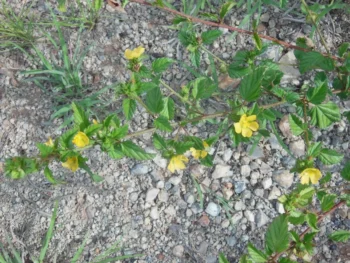
False Mallow: A Charming Native Ground Cover for Warm Climate Gardens
If you’re looking for a low-maintenance native plant that brings subtle beauty and ecological benefits to your warm-climate garden, false mallow (Malvastrum corchorifolium) might just be the perfect addition you never knew you needed. This delightful member of the mallow family offers gardeners in the southeastern United States and Caribbean an opportunity to support local ecosystems while enjoying its understated charm.
What is False Mallow?
False mallow is a native forb—essentially a non-woody flowering plant—that can behave as either an annual or perennial depending on growing conditions. As a member of the mallow family, it shares characteristics with hibiscus and cotton plants, though it’s much more modest in stature and presentation. The plant produces small, cheerful flowers that typically range from orange to yellow, creating gentle splashes of color throughout the growing season.
Where Does False Mallow Call Home?
This native beauty has quite the tropical address book! False mallow naturally occurs in Florida, Puerto Rico, and the U.S. Virgin Islands. Its native status in these warm, coastal regions makes it an excellent choice for gardeners wanting to support local wildlife and create authentic regional landscapes.
- Species observed
- No observations
Why Consider False Mallow for Your Garden?
There are several compelling reasons to welcome false mallow into your landscape:
- Native plant benefits: Supporting local ecosystems and wildlife
- Low maintenance: Once established, it requires minimal care
- Drought tolerance: Perfect for water-wise gardening
- Pollinator support: Attracts bees and butterflies
- Ground cover potential: Helps fill spaces naturally
- Adaptable growth: Works as both annual and perennial
Perfect Garden Settings
False mallow thrives in several garden styles:
- Native plant gardens: Pairs beautifully with other regional natives
- Coastal landscapes: Handles salt spray and sandy conditions
- Xerophytic gardens: Excellent for dry, low-water landscapes
- Wildlife gardens: Provides nectar for beneficial insects
- Naturalized areas: Creates authentic wild spaces
Growing Conditions and Care
False mallow is refreshingly undemanding when it comes to growing conditions. Here’s what it prefers:
- Sunlight: Full sun to partial shade
- Soil: Well-draining soils (adaptable to various soil types)
- Water: Drought tolerant once established; minimal watering needed
- Climate zones: USDA hardiness zones 9-11
- Maintenance: Very low; may self-seed in favorable conditions
Planting and Care Tips
Getting started with false mallow is straightforward:
- Plant in spring after any frost danger has passed
- Choose a location with good drainage—soggy soil is its main enemy
- Water regularly until established (first few weeks), then reduce frequency
- Allow natural self-seeding if you want it to spread organically
- Minimal fertilization needed—native plants prefer lean soils
- Deadhead spent flowers if you prefer a tidier appearance
Wildlife and Pollinator Benefits
One of false mallow’s greatest assets is its value to local wildlife. The flowers attract various pollinators, including native bees and butterflies, making it a valuable addition to any pollinator garden. As a native plant, it has co-evolved with local wildlife, providing the specific resources that regional fauna depend on.
Is False Mallow Right for Your Garden?
False mallow is an excellent choice if you’re gardening in zones 9-11 and appreciate low-maintenance native plants. It’s particularly well-suited for gardeners who want to support local ecosystems without high-input gardening. However, if you’re outside its natural range or prefer more showy flowering displays, you might want to consider other native options better suited to your specific region and aesthetic preferences.
Remember, the best gardens are those that work with nature rather than against it, and false mallow is a perfect example of a plant that asks for little while giving back so much to the local ecosystem.