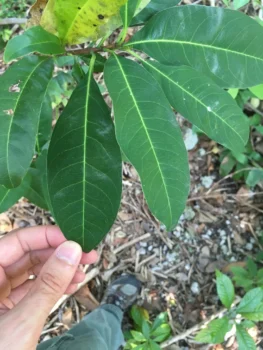
False Mastic: A Hidden Gem for Coastal and Subtropical Gardens
If you’re looking for a native tree that combines beauty, resilience, and low maintenance, let me introduce you to the False Mastic (Sideroxylon foetidissimum). Don’t let that intimidating botanical name scare you away – this Caribbean and South Florida native is actually one of the most reliable trees you can add to your landscape, especially if you live in coastal areas.
What is False Mastic?
False Mastic is a perennial tree that’s truly native to American soil, specifically found in South Florida, Puerto Rico, the U.S. Virgin Islands, and Navassa Island. You might also see it listed under its synonym, Mastichodendron foetidissimum, but don’t worry – it’s the same wonderful tree!
This native beauty typically grows as a single-trunked tree reaching heights of 13 to 16 feet or more, though under certain conditions it may develop a more compact, multi-stemmed form. Its dense, rounded canopy creates excellent shade, making it a fantastic choice for both practical and aesthetic purposes.
Where Does False Mastic Grow?
False Mastic naturally thrives in Florida, Puerto Rico, the Virgin Islands, and Navassa Island. It’s perfectly adapted to the coastal and subtropical conditions of these regions, which gives you a clue about what this tree loves most.
- Species observed
- No observations
Why Choose False Mastic for Your Garden?
Here’s where False Mastic really shines – it’s like having a low-maintenance friend who always looks great and never complains:
- Coastal Champion: Salt-tolerant and perfect for seaside gardens
- Drought Warrior: Once established, it handles dry spells like a champ
- Pollinator Friendly: Small flowers attract bees and beneficial insects
- Wildlife Support: Provides habitat and food sources for local wildlife
- Low Maintenance: Minimal care required once established
Perfect Landscape Roles
False Mastic works beautifully in several garden settings:
- Specimen tree for creating focal points
- Shade tree for patios and outdoor living spaces
- Natural windbreak in coastal locations
- Native plant gardens and wildlife habitats
- Drought-tolerant landscape designs
Growing Conditions and Care
The beauty of False Mastic lies in its adaptability and easy-going nature. Here’s what this tree prefers:
Climate: USDA hardiness zones 10-11 (think South Florida and tropical regions)
Sunlight: Full sun to partial shade – it’s quite flexible
Soil: Well-draining soils are essential; it’s not picky about soil type
Water: Regular watering during establishment, then quite drought-tolerant
Planting and Care Tips
Getting your False Mastic off to a great start is straightforward:
- Plant in well-draining soil to prevent root rot
- Water regularly for the first year while roots establish
- Mulch around the base to retain moisture and suppress weeds
- Minimal pruning needed – just remove dead or damaged branches
- Be patient – like many native trees, it may start slowly but will reward you with years of beauty
The Bottom Line
False Mastic is an excellent choice for gardeners in appropriate zones who want a beautiful, native tree that won’t demand constant attention. Its combination of salt tolerance, drought resistance, and wildlife benefits makes it particularly valuable in coastal and subtropical landscapes. Plus, by choosing this native species, you’re supporting local ecosystems and creating habitat for native wildlife.
If you live in zones 10-11 and want a reliable, attractive tree that celebrates your region’s natural heritage, False Mastic deserves serious consideration. It’s proof that sometimes the best garden choices are the ones that have been thriving in your area for centuries!