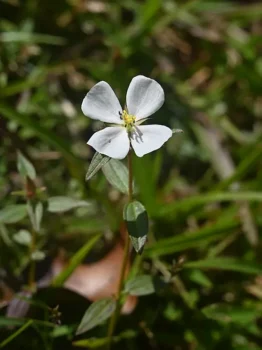
False Meadowbeauty: A Tropical Shrub Worth Considering
If you’re looking to add some tropical flair to your garden, you might want to get acquainted with false meadowbeauty (Pterolepis glomerata). This charming shrub brings a touch of Caribbean beauty to warm-climate landscapes, though like many tropical plants, it comes with both benefits and considerations for thoughtful gardeners.
What Is False Meadowbeauty?
False meadowbeauty is a perennial shrub that typically grows as a multi-stemmed woody plant, usually staying under 13-16 feet in height. As a member of the Melastomataceae family, it shares the characteristic prominent leaf veining that makes this plant family so distinctive. The shrub produces clusters of small, attractive flowers that range from pink to purple, creating lovely bursts of color in the landscape.
Where Does It Come From?
This tropical beauty is native to Puerto Rico and other Caribbean islands. However, it has also established itself in Hawaii, where it grows and reproduces naturally without human intervention. Currently, it can be found growing in both Hawaii and Puerto Rico.
- Species observed
- No observations
Native Status Considerations
Here’s where things get interesting from a native gardening perspective. While false meadowbeauty is native to Puerto Rico, it’s considered non-native in Hawaii. If you’re gardening in Hawaii, you might want to consider native Hawaiian alternatives that provide similar aesthetic appeal while supporting local ecosystems. For Puerto Rico gardeners, this represents a wonderful native option that supports regional biodiversity.
Growing Conditions and Habitat
False meadowbeauty shows some flexibility in its habitat preferences, which explains its success in different regions. In its Caribbean native range, it’s typically an upland plant that rarely occurs in wetlands. However, in Hawaii, it’s more adaptable and can grow in both wetland and non-wetland environments. This adaptability makes it relatively easy to grow in the right climate zones.
The plant thrives in USDA hardiness zones 10-11, making it suitable only for tropical and subtropical regions. It prefers:
- Well-drained soils
- Partial shade to full sun exposure
- Moderate moisture levels
- Warm temperatures year-round
Garden Design and Landscape Use
In the right setting, false meadowbeauty can serve several roles in your landscape design. Its shrub form makes it excellent for:
- Creating natural screening or privacy borders
- Adding structure to naturalized garden areas
- Providing mid-level plantings in layered tropical landscapes
- Serving as an ornamental focal point when in bloom
The plant works particularly well in tropical and subtropical garden styles, where its natural growth habit complements other warm-climate species.
Planting and Care Tips
If you decide false meadowbeauty is right for your garden, here are some tips for success:
- Plant in well-draining soil to prevent root rot
- Provide regular watering during the establishment period
- Once established, the plant shows good drought tolerance
- Minimal pruning is typically needed due to its natural growth habit
- Choose a location with adequate space for the shrub to reach its mature size
Benefits for Pollinators and Wildlife
The clustered flowers of false meadowbeauty provide nectar sources for various small pollinators, including bees and butterflies. This makes it a valuable addition to pollinator-friendly gardens in tropical regions.
Making the Right Choice for Your Garden
False meadowbeauty can be an attractive addition to the right garden, but thoughtful gardeners should consider their location and goals. If you’re in Puerto Rico, you’re supporting a native species that belongs in the local ecosystem. If you’re in Hawaii or another region where it’s not native, consider researching native alternatives that might provide similar aesthetic benefits while supporting local wildlife and plant communities.
Remember, the best gardens are those that work harmoniously with their local environment while reflecting the gardener’s personal style and preferences.